
 29 May 2026
What Are the Causes of Sciatica?
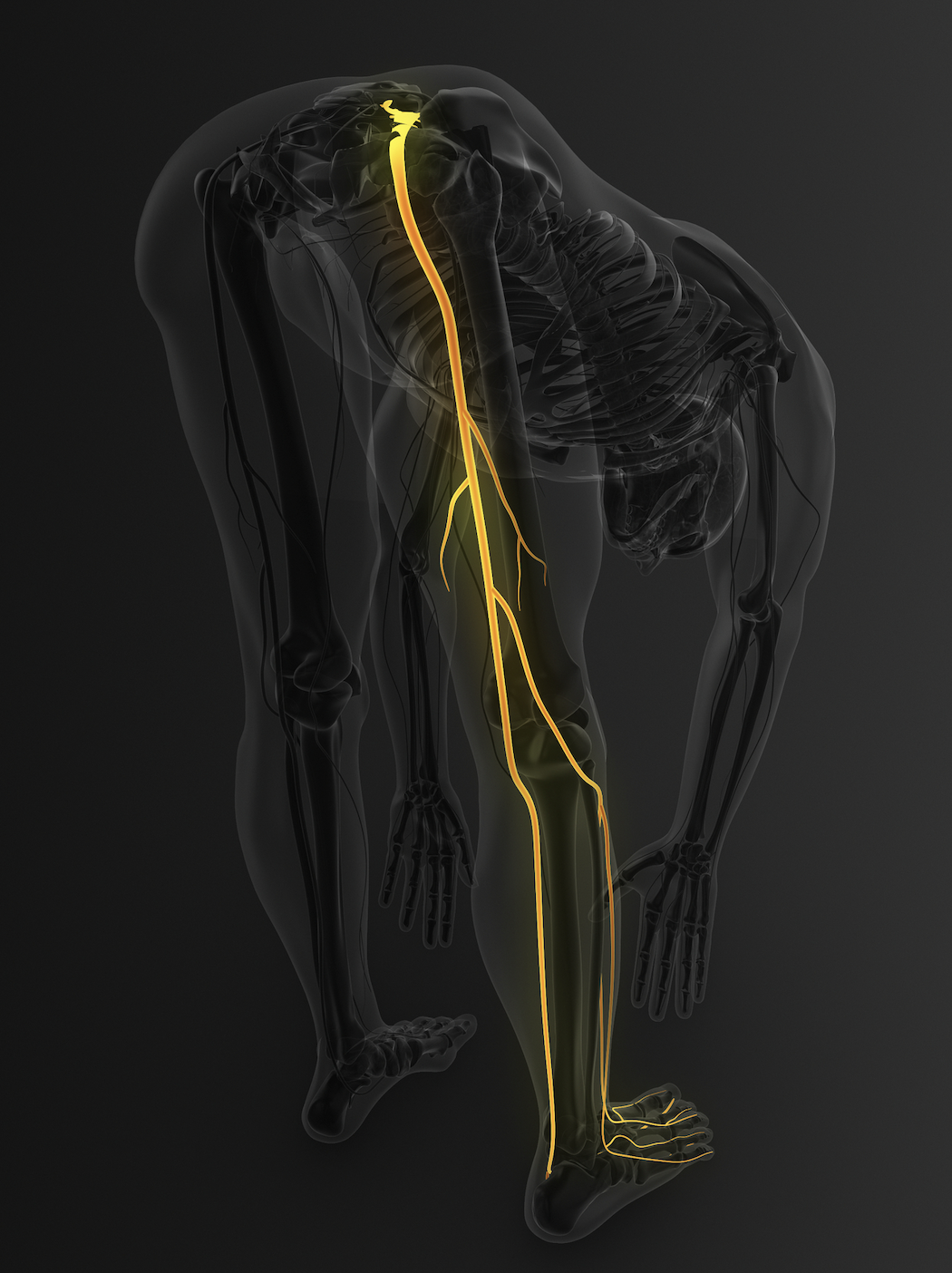
Sciatica is one of the most common causes of lower back and leg pain, affecting millions of people each year. The condition occurs when the sciatic nerve becomes irritated, inflamed, or compressed. Since the sciatic nerve is the largest nerve in the body, extending from the lower spine through the hips and down each leg, irritation can lead to pain that radiates across multiple areas of the body.
While many people associate sciatica with general back pain, the condition is usually a symptom of an underlying spinal or muscular issue. Understanding the causes of sciatica can help individuals recognize early warning signs and seek appropriate treatment before symptoms worsen.
Herniated or Bulging Discs
==========================
One of the most common causes of sciatica is a herniated disc in the lower spine. Spinal discs act as cushions between the vertebrae, helping absorb shock and support movement. When a disc becomes damaged or slips out of place, it can press against nearby nerve roots, including the sciatic nerve.
This pressure often causes sharp pain, numbness, tingling, or weakness that travels from the lower back into the buttocks and legs. Herniated discs can develop due to aging, repetitive strain, poor posture, or sudden injuries.
Spinal Stenosis
===============
Spinal stenosis refers to the narrowing of spaces within the spine. As the spinal canal narrows, it can place pressure on the nerves traveling through the lower back. This condition is more common in older adults due to age-related wear and tear on the spine.
People with spinal stenosis may experience sciatica symptoms that worsen during walking or standing for long periods. The discomfort often improves when sitting or bending slightly forward.
Degenerative Disc Disease
=========================
As people age, spinal discs naturally lose hydration and flexibility. This gradual breakdown is known as degenerative disc disease. Reduced disc height and spinal instability can lead to inflammation and nerve compression, increasing the likelihood of sciatica pain.
Although degeneration is a normal part of aging, some individuals experience more severe symptoms depending on their lifestyle, activity level, and spinal health.
Piriformis Syndrome
==================
The piriformis muscle is located deep in the buttocks near the sciatic nerve. In some cases, this muscle becomes tight, inflamed, or spasms, placing pressure on the sciatic nerve. This condition is known as piriformis syndrome.
Piriformis syndrome often develops due to prolonged sitting, overuse injuries, intense exercise, or muscle imbalances. Unlike spinal-related sciatica, this type originates from muscular compression rather than disc problems.
Spinal Misalignment
==================
Poor spinal alignment can contribute to uneven pressure on the lower back and surrounding nerves. Misaligned vertebrae may irritate the sciatic nerve directly or create muscular tension that affects nerve function.
Postural habits, repetitive movements, improper lifting techniques, and sedentary lifestyles can all contribute to spinal imbalance over time.
Pregnancy
=========
Pregnancy can sometimes trigger sciatica symptoms due to additional pressure placed on the lower spine and pelvis. As the body changes to support a growing baby, posture shifts and hormonal changes can increase stress on the sciatic nerve.
Many pregnant women experience temporary sciatica during the later stages of pregnancy, especially when sitting, standing, or sleeping in certain positions.
Injury or Trauma
================
Car accidents, sports injuries, falls, or sudden impacts can damage the spine, muscles, or nerves in the lower back. Trauma-related inflammation and structural changes may place pressure on the sciatic nerve and trigger pain symptoms.
In some cases, sciatica develops immediately after an injury, while other times symptoms appear gradually during recovery.
Obesity and Sedentary Lifestyle
===============================
Excess body weight places additional strain on the spine and surrounding muscles, increasing the risk of disc problems and nerve compression. A sedentary lifestyle can also weaken core muscles that support the spine, leading to poor posture and increased spinal stress.
Long hours of sitting, especially without proper ergonomic support, are commonly linked to lower back pain and sciatic nerve irritation.
Diabetes and Other Health Conditions
====================================
Certain medical conditions, including diabetes, can increase the risk of nerve damage and inflammation. Diabetes-related nerve complications may worsen sciatic symptoms or make individuals more sensitive to nerve pain.
Other inflammatory or degenerative conditions affecting the spine and nervous system can also contribute to sciatica development.
Recognizing the Symptoms of Sciatica
====================================
Sciatica symptoms can vary depending on the severity and cause of nerve compression. Common signs include:
Sharp or shooting pain in the lower back or leg
Tingling or burning sensations
Numbness in the leg or foot
Muscle weakness
Pain that worsens with prolonged sitting or movement
Some individuals experience mild discomfort, while others may struggle with severe pain that affects mobility and daily activities.
When to Seek Treatment
======================
Sciatica often improves with conservative care such as stretching, physical therapy, chiropractic treatment, and lifestyle changes. However, persistent or worsening symptoms should not be ignored.
Medical attention is especially important if sciatica causes severe weakness, loss of bladder or bowel control, or significant numbness, as these symptoms may indicate a more serious spinal condition.
Final Thoughts
==============
Sciatica is not a condition itself but rather a symptom of underlying nerve irritation or spinal dysfunction. From herniated discs and spinal stenosis to muscle tension and poor posture, several factors can contribute to sciatic nerve pain. Identifying the root cause is an essential step toward effective treatment and long-term relief.
By understanding what causes sciatica, individuals can take proactive steps to improve spinal health, reduce nerve pressure, and prevent recurring pain episodes.
BY:
Uncategorized
COMMENTS: No Comments
 29 May 2026
What to Expect During Sciatica Pain Treatment From a Chiropractor
Sciatica pain can make even the simplest daily activities feel difficult. From sharp lower back pain to tingling sensations that travel down the leg, the condition often interferes with work, sleep, exercise, and overall quality of life. For many people seeking a non-surgical and drug-free approach to relief, chiropractic care has become a popular treatment option. Understanding what to expect during sciatica pain treatment from a chiropractor can help ease concerns and prepare you for the recovery process.
Sciatica occurs when the sciatic nerve becomes irritated or compressed, usually due to issues such as a herniated disc, spinal misalignment, muscle tension, or inflammation in the lower back. Because the sciatic nerve extends from the lower spine through the hips and legs, the pain can radiate across multiple areas of the body. Chiropractors focus on identifying the source of this nerve pressure and using targeted techniques to reduce discomfort while improving spinal function.
Your first visit to a chiropractor typically begins with a detailed consultation. The chiropractor will ask questions about your symptoms, medical history, lifestyle habits, posture, and previous injuries. This conversation helps determine the possible causes of your sciatica and whether chiropractic care is appropriate for your condition. In many cases, a physical examination follows, where the chiropractor evaluates spinal alignment, range of motion, muscle strength, reflexes, and walking posture. Depending on the severity of the symptoms, imaging tests such as X-rays or MRIs may also be recommended to gain a clearer understanding of the spine and nerve structures.
Once the evaluation is complete, the chiropractor develops a personalized treatment plan designed to reduce nerve irritation and restore mobility. One of the most common treatment methods is spinal adjustment. During this process, controlled and gentle pressure is applied to specific areas of the spine to improve alignment and relieve pressure on the sciatic nerve. These adjustments are intended to restore proper movement in the joints and support the body’s natural healing process.
In addition to spinal manipulation, chiropractors often incorporate soft tissue therapy into sciatica treatment. Tight muscles surrounding the lower back and hips can worsen nerve compression, so techniques such as massage therapy or muscle release therapy may be used to ease tension and improve circulation. Many patients find that combining spinal adjustments with muscle therapy provides more noticeable relief and flexibility.
Exercise and stretching also play an important role in chiropractic care for sciatica. A chiropractor may guide patients through exercises that strengthen the core and lower back while improving flexibility in the hips and legs. These movements are designed not only to reduce current pain but also to prevent future flare-ups by improving posture and spinal support. Lifestyle recommendations may also be included, especially for individuals whose sciatica is linked to long hours of sitting, poor ergonomics, or repetitive physical strain.
Many patients are surprised to learn that chiropractic treatment is generally gentle and non-invasive. While some adjustments may produce a popping sound caused by gas releasing from the joints, the procedure is usually painless. Some people experience immediate relief after a session, while others notice gradual improvement over several visits. Mild soreness similar to post-workout discomfort can occur after treatment, but this often fades within a short time.
The number of chiropractic sessions needed for sciatica varies depending on the severity of the condition and how long symptoms have been present. Acute cases may improve relatively quickly, while chronic sciatica may require ongoing care and rehabilitation. Consistency with treatment and following at-home recommendations can significantly influence recovery outcomes.
Chiropractic care offers a natural approach to managing sciatica pain without relying heavily on medication or invasive procedures. By focusing on spinal health, nerve function, and movement patterns, chiropractors aim to address the root cause of the discomfort rather than simply masking symptoms. For many individuals, this approach leads to improved mobility, reduced pain, and a better quality of life.
Although chiropractic care can be highly beneficial, it is important to seek immediate medical attention if sciatica symptoms include severe leg weakness, loss of bladder or bowel control, or sudden numbness in the groin area, as these signs may indicate a more serious medical condition.
For those struggling with persistent nerve pain, chiropractic treatment can provide a supportive and personalized path toward recovery. Knowing what to expect throughout the process helps patients feel more confident about starting treatment and taking steps toward long-term relief.
BY:
Uncategorized
COMMENTS: No Comments
 05 May 2026
How Often Should You Get Chiropractic Adjustments If You’re Active?
Staying Active Is Great—But Your Body Still Needs Support
=========================================================
If you exercise regularly, lift weights, walk long distances, or stay physically busy, you are already doing something very positive for your health. Being active helps your heart, your muscles, and your overall well-being. But even a strong and healthy body still experiences stress.
Every workout, every long walk, and even daily posture habits place small amounts of strain on your joints, muscles, and spine. At first, you may not notice anything wrong. Over time, however, these small stresses can build up and affect how your body feels and performs. You might start to feel tighter than usual, slightly off balance, or slower to recover after activity.
This is where chiropractic care can play an important role.
So, How Often Should You Get Adjusted?
======================================
The honest answer is that it depends on your body, your activity level, and your goals. However, there are general patterns that many active people follow based on real clinical experience.
If you are currently dealing with discomfort, stiffness, or recovering from a recent increase in activity, more frequent visits may be helpful in the beginning. This allows your body to reset, reduce tension, and restore proper movement.
Once your body feels balanced and you are no longer in pain, most active individuals transition into a maintenance routine. For many people, this means visiting every few weeks to keep everything functioning properly and to prevent small issues from turning into bigger problems.
If you feel great overall and have no noticeable issues, occasional visits can still be beneficial. Think of it as regular maintenance for your body, similar to how you would take care of a car even when it is running well.
Why Even Healthy, Active People Benefit From Chiropractic Care
==============================================================
It is a common belief that chiropractic care is only needed when something hurts. In reality, many active individuals use it to stay ahead of problems rather than react to them.
When your spine and joints are properly aligned, your body moves more efficiently. This can improve flexibility, reduce unnecessary strain, and help your muscles work the way they are supposed to. Over time, this can make a noticeable difference in how you perform and how you recover.
Another important factor is recovery. After physical activity, your body needs to repair itself. When alignment and movement are improved, that recovery process can become more effective, helping you feel ready for your next workout sooner.
Chiropractic care can also support your nervous system, which plays a key role in coordination, balance, and overall function. When everything works together smoothly, your body simply feels better.
How to Know If You Need More Frequent Adjustments
=================================================
Your body usually gives you clear signals when it needs attention. You might notice that you are not moving as freely as before, or that certain areas feel tight even after stretching. Sometimes there is mild discomfort during or after exercise, or a sense that your posture is slightly off.
These signs do not always mean something serious, but they are worth paying attention to. Addressing them early can help prevent more significant issues later.
What to Expect at Advanced Chiropractic Rehab?
===============================================
At Advanced Chiropractic Rehab, care is never one-size-fits-all. The focus is on understanding how your body moves, how active you are, and what you want to achieve.
Your care plan is designed specifically for you. It may include gentle adjustments to improve alignment, along with guidance to help you move better in your daily life and during workouts. The goal is not just to relieve discomfort, but to help your body perform at its best over time.
Everything is explained in a clear and simple way, so you always understand what is being done and why it matters.
Building a Routine That Works for You
=====================================
Many active patients find that consistent, spaced-out visits help them stay on track. Instead of waiting for pain to appear, they choose to maintain how their body feels and functions.
This approach often leads to better long-term results. You stay active, reduce the risk of injury, and continue making progress in your fitness without unnecessary setbacks.
The Bottom Line
================
If you are a healthy and active person, chiropractic care is not just about fixing problems. It is about maintaining balance, improving movement, and supporting your body so it can keep up with your lifestyle.
For many people, regular visits every few weeks provide the right balance between prevention and performance. The exact timing, however, should always match your individual needs.
Ready to Keep Your Body Performing at Its Best?
==============================================
You do not have to wait until something feels wrong.
If you want to stay active, move better, and reduce the risk of injury, chiropractic care can be a simple and natural part of your routine.
Book your consultation with Advanced Chiropractic Rehab today
Start with a personalized plan designed to keep you strong, mobile, and feeling your best.
BY:
Uncategorized
COMMENTS: No Comments
 05 May 2026
Chiropractic Treatment’s Effects on Sleep Disorders
Are You Struggling to Sleep?
If you toss and turn at night, wake up tired, or rely on sleep aids, you’re not alone. Sleep problems are common—and often connected to stress, pain, and poor body alignment.
Many people don’t realize this, but your spine and nervous system play a major role in how well you sleep.
That’s where chiropractic care can help.
How Your Body Affects Your Sleep
================================
Your body needs to feel safe and relaxed to fall asleep. When something is “off,” your brain stays alert.
Common causes of poor sleep include:
– Neck and back pain
– Stress and anxiety
– Poor posture
– Muscle tension
– Nerve irritation
When your spine is not aligned properly, it can put pressure on nerves and increase tension in your body. This can make it harder to fall asleep—and stay asleep.
How Chiropractic Care Improves Sleep
====================================
Chiropractic treatment focuses on restoring proper alignment and helping your body function better.
– Reduces Pain and Discomfort
Pain is one of the biggest reasons people can’t sleep. Gentle adjustments can relieve pressure on joints and muscles, helping your body relax at night.
– Calms the Nervous System
Your nervous system controls your sleep cycle. When it’s balanced, your body can shift into “rest mode” more easily.
– Improves Blood Flow
Better circulation helps your muscles recover and reduces stiffness, especially after long days or workouts.
– Lowers Stress Levels
Chiropractic care may help reduce cortisol (stress hormone), allowing your body to unwind naturally.
Conditions That May Improve With Chiropractic Care
==================================================
Many patients report better sleep when treating:
– Chronic back or neck pain
– Sciatica
– Headaches and migraines
– Stress-related tension
– Posture-related discomfort
Even if sleep is not your main issue, improving these conditions can lead to deeper, more restful sleep.
What to Expect During Treatment
===============================
At Advanced Chiropractic Rehab, your care is personalized.
Your visit may include:
– A full evaluation of your spine and posture
– Gentle chiropractic adjustments
– Muscle therapy or stretching guidance
– Simple lifestyle recommendations
The goal is not just temporary relief—but long-term improvement.
Natural Sleep Tips You Can Combine With Care
============================================
To get the best results, combine chiropractic care with healthy habits:
– Keep a consistent sleep schedule
– Avoid screens before bedtime
– Use a supportive pillow and mattress
– Stretch lightly before sleep
– Stay active during the day
Small changes can make a big difference.
========================================
Why Choose Advanced Chiropractic Rehab?
You want care you can trust.
At Advanced Chiropractic Rehab, the focus is on:
– Personalized treatment plans
– Safe, non-invasive techniques
– Helping your body heal naturally
– Supporting your overall wellness—not just symptoms
You’re not just treated—you’re understood.
Ready to Sleep Better?
=======================
If poor sleep is affecting your energy, mood, or daily life, it may be time to look deeper.
Chiropractic care offers a natural, drug-free way to improve sleep and feel better overall.
Book your consultation today
Start your journey toward better sleep, less pain, and a healthier life.
BY:
Uncategorized
COMMENTS: No Comments