
What to Expect During Sciatica Pain Treatment From a Chiropractor
Sciatica pain can make even the simplest daily activities feel difficult. From sharp lower back pain to tingling sensations that travel down the leg, the condition often interferes with work, sleep, exercise, and overall quality of life. For many people seeking a non-surgical and drug-free approach to relief, chiropractic care has become a popular treatment option. Understanding what to expect during sciatica pain treatment from a chiropractor can help ease concerns and prepare you for the recovery process.
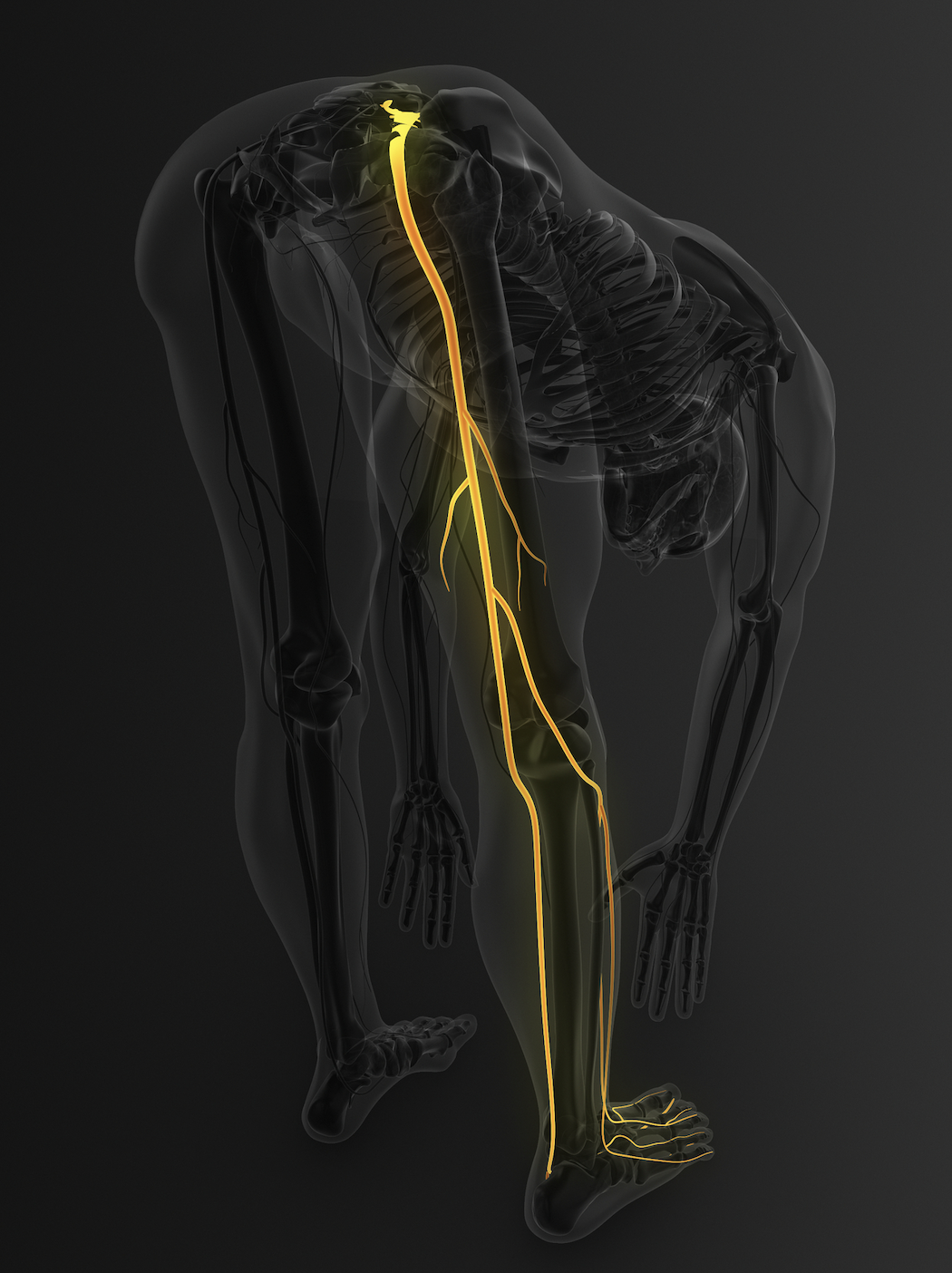
Sciatica occurs when the sciatic nerve becomes irritated or compressed, usually due to issues such as a herniated disc, spinal misalignment, muscle tension, or inflammation in the lower back. Because the sciatic nerve extends from the lower spine through the hips and legs, the pain can radiate across multiple areas of the body. Chiropractors focus on identifying the source of this nerve pressure and using targeted techniques to reduce discomfort while improving spinal function.
Your first visit to a chiropractor typically begins with a detailed consultation. The chiropractor will ask questions about your symptoms, medical history, lifestyle habits, posture, and previous injuries. This conversation helps determine the possible causes of your sciatica and whether chiropractic care is appropriate for your condition. In many cases, a physical examination follows, where the chiropractor evaluates spinal alignment, range of motion, muscle strength, reflexes, and walking posture. Depending on the severity of the symptoms, imaging tests such as X-rays or MRIs may also be recommended to gain a clearer understanding of the spine and nerve structures.
Once the evaluation is complete, the chiropractor develops a personalized treatment plan designed to reduce nerve irritation and restore mobility. One of the most common treatment methods is spinal adjustment. During this process, controlled and gentle pressure is applied to specific areas of the spine to improve alignment and relieve pressure on the sciatic nerve. These adjustments are intended to restore proper movement in the joints and support the body’s natural healing process.
In addition to spinal manipulation, chiropractors often incorporate soft tissue therapy into sciatica treatment. Tight muscles surrounding the lower back and hips can worsen nerve compression, so techniques such as massage therapy or muscle release therapy may be used to ease tension and improve circulation. Many patients find that combining spinal adjustments with muscle therapy provides more noticeable relief and flexibility.
Exercise and stretching also play an important role in chiropractic care for sciatica. A chiropractor may guide patients through exercises that strengthen the core and lower back while improving flexibility in the hips and legs. These movements are designed not only to reduce current pain but also to prevent future flare-ups by improving posture and spinal support. Lifestyle recommendations may also be included, especially for individuals whose sciatica is linked to long hours of sitting, poor ergonomics, or repetitive physical strain.
Many patients are surprised to learn that chiropractic treatment is generally gentle and non-invasive. While some adjustments may produce a popping sound caused by gas releasing from the joints, the procedure is usually painless. Some people experience immediate relief after a session, while others notice gradual improvement over several visits. Mild soreness similar to post-workout discomfort can occur after treatment, but this often fades within a short time.
The number of chiropractic sessions needed for sciatica varies depending on the severity of the condition and how long symptoms have been present. Acute cases may improve relatively quickly, while chronic sciatica may require ongoing care and rehabilitation. Consistency with treatment and following at-home recommendations can significantly influence recovery outcomes.
Chiropractic care offers a natural approach to managing sciatica pain without relying heavily on medication or invasive procedures. By focusing on spinal health, nerve function, and movement patterns, chiropractors aim to address the root cause of the discomfort rather than simply masking symptoms. For many individuals, this approach leads to improved mobility, reduced pain, and a better quality of life.
Although chiropractic care can be highly beneficial, it is important to seek immediate medical attention if sciatica symptoms include severe leg weakness, loss of bladder or bowel control, or sudden numbness in the groin area, as these signs may indicate a more serious medical condition.
For those struggling with persistent nerve pain, chiropractic treatment can provide a supportive and personalized path toward recovery. Knowing what to expect throughout the process helps patients feel more confident about starting treatment and taking steps toward long-term relief.
BY:
Uncategorized
COMMENTS: No Comments