
 23 Sep 2026
Chiropractic Care vs. Physical Therapy: Which Do You Actually Need?
If you are dealing with back pain, neck pain, a sports injury, stiffness, or trouble moving comfortably, you may be wondering where to start.
Should you see a chiropractor?
Should you see a physical therapist?
Or do you need both?
The answer depends on what is causing your problem, what your goals are, and what type of treatment your body needs.
Chiropractic care and physical therapy are not the same thing. They use different approaches, although there can be some overlap. Both can be part of a conservative approach to many musculoskeletal problems, and neither is automatically the right choice for every person.
At Advanced Chiropractic Rehab, the focus is on evaluating the individual patient rather than assuming that everyone with back or neck pain needs the same treatment.
What Is the Difference Between Chiropractic Care and Physical Therapy?
======================================================================
The simplest way to understand the difference is to look at the main focus of each profession.
Chiropractic care commonly focuses on the relationship between the spine, joints, muscles, and movement. Chiropractic treatment may include spinal manipulation or mobilization, along with soft-tissue techniques, stretching, and therapeutic exercises.
Physical therapy focuses strongly on restoring movement, strength, balance, flexibility, and physical function. A physical therapist may use therapeutic exercises, manual therapy, movement training, and other rehabilitation methods to help a person recover from an injury or improve physical function.
There is overlap between the two.
For example, spinal manipulation can also be performed by some licensed physical therapists, not only chiropractors. Research summarized by the National Center for Complementary and Integrative Health shows that spinal manipulation is one of several nondrug treatment options that may provide modest improvements in pain and function for some people with low-back pain.
The important question is not simply, “Which profession is better?”
The better question is, “What does my body need right now?”
When Chiropractic Care May Be Helpful?
=====================================
Chiropractic care may be appropriate when joint movement, spinal mobility, muscle tension, or other musculoskeletal factors are contributing to your symptoms.
For example, you may develop neck stiffness after spending long hours at a computer. You may experience back discomfort after lifting something incorrectly. You may have joint stiffness after an accident or fall.
A chiropractor can evaluate your symptoms and movement and determine whether chiropractic treatment is appropriate.
Depending on your condition, treatment may include spinal adjustments, mobilization, soft-tissue techniques, stretching, or rehabilitation exercises.
Spinal manipulation is not a cure-all. Evidence suggests it can provide modest improvements in pain and function for some people with acute or chronic low-back pain, but results vary from person to person.
That is why a proper evaluation matters.
When Physical Therapy May Be Helpful?
====================================
Physical therapy can be especially useful when your main goal is rebuilding strength, improving movement, increasing flexibility, restoring balance, or returning to normal activity after an injury or surgery.
Imagine someone who injured their knee and now has difficulty walking up stairs.
Reducing pain may be important, but it may not be enough. The person may also need to rebuild strength in the muscles around the knee, improve balance, restore range of motion, and gradually return to normal activities.
This is where structured rehabilitation can be particularly valuable.
Physical therapy is also commonly used after injuries because exercises can be progressed as the person becomes stronger and more capable.
The exact treatment depends on the diagnosis, injury, physical condition, and goals of the patient.
What If You Have Back or Neck Pain?
===================================
This is where the difference between chiropractic care and physical therapy can become less clear.
For many common types of back pain, there is no single treatment that works for everyone.
Some people may benefit from manual treatment to improve mobility and reduce discomfort. Others may need a stronger focus on exercise, strength, posture, and movement habits. Some people may benefit from a combination of approaches.
For low-back pain, evidence-based guidelines include several non-drug approaches, including exercise and spinal manipulation, depending on the individual’s condition.
The goal should therefore be more than getting temporary pain relief.
A good treatment plan should also consider how you move, what activities are difficult for you, what caused the problem, and how you can safely return to the activities that matter to you.
Do You Have to Choose One?
==========================
Not necessarily.
This is something many patients do not realize.
Chiropractic care and rehabilitation can sometimes complement each other. A patient may receive hands-on treatment to address restricted movement while also performing exercises to improve strength, flexibility, stability, and movement control.
In fact, Advanced Chiropractic Rehab’s approach includes chiropractic treatment together with rehabilitation-oriented techniques. The practice describes its care as individualized and lists techniques such as manipulation, Activator Technique, trigger-point therapy, myofascial release, and other rehabilitation approaches.
This does not mean everyone needs multiple types of treatment.
It means your treatment plan should be based on your condition rather than a fixed formula.
Chiropractic Care vs. Physical Therapy After an Injury
======================================================
After an accident, slip and fall, sports injury, or other physical trauma, it is especially important to understand what happened before beginning treatment.
Pain after an injury can come from muscles, joints, ligaments, tendons, or other structures. Some injuries may require medical evaluation before chiropractic treatment or physical therapy is appropriate.
For example, severe pain, significant weakness or numbness, difficulty walking, loss of bladder or bowel control, or other serious symptoms should be evaluated promptly by an appropriate medical professional.
When the injury is appropriate for conservative rehabilitation, the treatment plan can then focus on restoring movement and function safely.
The right approach may include chiropractic care, rehabilitation exercises, physical therapy, medical care, or a combination depending on the injury.
What About Exercise?
====================
Exercise is an important part of many rehabilitation plans.
Hands-on treatment may help improve movement or reduce discomfort, but patients also need to know how to move their bodies safely outside the treatment room.
Exercises can help build strength, improve flexibility, develop balance, and increase confidence with movement.
This is one reason a rehabilitation-focused approach can be useful even when chiropractic care is part of the treatment plan.
At Advanced Chiropractic Rehab, treatment can incorporate therapeutic exercises alongside chiropractic techniques. The purpose is to help patients improve function rather than relying only on passive treatment.
How Do You Know Which One You Need?
===================================
Start with the problem you are actually trying to solve.
If your main concern is spinal or joint stiffness, restricted movement, or musculoskeletal pain, a chiropractic evaluation may be a reasonable starting point.
If your main concern is weakness, difficulty performing specific movements, loss of balance, or returning to activity after an injury, rehabilitation and physical therapy may be especially important.
If you have both pain and difficulty moving normally, you may benefit from an approach that addresses both.
And if you are unsure, you do not have to diagnose yourself.
A professional evaluation can help determine whether your symptoms are appropriate for conservative care and what type of treatment may make sense.
Why an Individual Evaluation Matters
====================================
Two people can have the same diagnosis and still need different treatment.
Consider two people with lower-back pain.
One person may have developed stiffness after sitting at a desk for long periods. Another may have injured their back while lifting a heavy object. A third person may have pain that travels down the leg and is accompanied by numbness.
Calling all three cases “back pain” does not tell you enough to determine the appropriate treatment.
A thorough evaluation looks at the person’s symptoms, movement, medical history, physical condition, and goals.
That is why Advanced Chiropractic Rehab emphasizes personalized care rather than using exactly the same treatment for every patient. The practice has served patients since 2004 and operates locations in Van Nuys and Culver City.
Chiropractic Care and Physical Therapy Can Have Different Strengths
===================================================================
It is tempting to turn this into a simple competition.
Chiropractic care versus physical therapy.
But that can give patients the wrong idea.
Both professions can provide useful conservative care for certain musculoskeletal conditions. The treatment that makes sense depends on the person, the condition, and the desired outcome.
Chiropractic treatment may place more emphasis on spinal and joint mobility and hands-on techniques.
Physical therapy often places a strong emphasis on exercise, strength, functional movement, and rehabilitation.
There can also be overlap, particularly with manual therapy and therapeutic exercise.
The most important factor is not the name of the treatment.
It is whether the treatment is appropriate for your condition and whether it is helping you move toward your goals.
What Happens at Advanced Chiropractic Rehab?
============================================
If you are not sure where to start, an evaluation can provide a clearer picture of what may be contributing to your pain or movement problem.
At Advanced Chiropractic Rehab, patients are evaluated before a treatment plan is developed. Care may include chiropractic adjustments and other manual techniques together with rehabilitation exercises and supportive therapies when appropriate.
The goal is to understand your individual condition and create a plan that fits your needs.
You should also feel comfortable asking questions.
Why is this treatment recommended?
What is the goal?
What can you do at home?
How will you know if you are improving?
Understanding your treatment is an important part of taking an active role in your recovery.
You May Not Need to Choose Between Chiropractic Care and Rehabilitation
=======================================================================
If you are experiencing back pain, neck pain, stiffness, or an injury, you do not necessarily have to decide on your own whether chiropractic care or physical therapy is right for you.
The first step is understanding what is causing your symptoms and what you want to accomplish.
For some people, chiropractic care may be appropriate. For others, structured physical therapy may be the better fit. Some patients may benefit from a combination of hands-on care and rehabilitation.
At Advanced Chiropractic Rehab, the approach is centered on individualized evaluation and conservative care designed around the patient’s condition and goals.
If pain or limited movement is keeping you from working, exercising, sleeping comfortably, or enjoying your normal activities, contact Advanced Chiropractic Rehab to schedule an evaluation at the Van Nuys or Culver City office.
You do not have to guess which treatment you need. Start with an evaluation, understand your options, and make an informed decision about your care.
BY:
Uncategorized
COMMENTS: No Comments
 23 Sep 2026
Can You Adjust Yourself? Why “Cracking” Your Own Neck Can Do More Harm Than Good
Can You Adjust Your Own Neck?
=============================
If your neck feels tight, you may have developed a habit of turning your head until you hear a satisfying “pop.”
For a few seconds, it may feel like the pressure is gone.
But if you find yourself cracking your neck several times a day, you may be asking an important question: Is it actually safe to adjust my own neck?
The short answer is that intentionally forcing your neck to crack is not the best way to manage ongoing neck pain or stiffness.
An occasional, natural popping sound is usually not a reason to panic. Neck joints can make popping or cracking sounds as they move. The sound does not necessarily mean that a bone has moved out of place. However, repeatedly twisting, pulling, or forcing your neck to produce a crack can strain muscles and other tissues around the neck.
If you constantly feel like you need to crack your neck to feel normal, the bigger question is why your neck feels uncomfortable in the first place.
Why Does Your Neck Crack?
=========================
The cracking sound can seem alarming, but it does not usually mean your bones are breaking.
A joint contains fluid that helps it move smoothly. When a joint is moved or stretched, changes in pressure inside the joint can create the familiar popping sound. Tendons and ligaments can also move over nearby structures and create clicking or popping sounds.
The sound itself is not necessarily the problem.
The problem can be how you are creating the sound.
If you repeatedly twist your head to one side, pull on your neck with your hands, or use a quick movement to force a pop, you are putting unnecessary stress on a part of your body that contains joints, muscles, nerves, blood vessels, and the spinal cord.
Why Cracking Your Neck May Feel Better for a Few Minutes
========================================================
There is a reason people become attached to the habit.
After you crack your neck, you may temporarily feel less pressure or stiffness. The movement can change how the joint and surrounding tissues feel, which may give you a short period of relief.
But temporary relief does not necessarily mean you have corrected the underlying problem.
If you spend eight hours at a computer, constantly look down at your phone, sleep in an awkward position, or have tight muscles from stress, cracking your neck does not address those causes.
Instead, you may find yourself doing it again an hour later.
Then again.
And again.
That repeated cycle is a sign that your neck may need a proper evaluation rather than another self-adjustment.
Can Cracking Your Neck Cause Damage?
====================================
Occasional neck popping is generally not considered a major concern. The concern increases when the movement becomes frequent, forceful, or painful.
Repeated forceful cracking may contribute to muscle strain, irritation, or excessive movement of the joints. Cleveland Clinic notes that frequent or forceful neck cracking can contribute to problems such as joint instability and pinched nerves.
There is also a very rare but serious concern involving blood vessels in the neck.
Rapid neck movements have been associated with cervical artery dissection, which is a tear in the wall of an artery supplying the brain. A dissection can sometimes lead to a blood clot and stroke. This complication is uncommon, but it is one reason forceful neck manipulation should not be treated as a harmless home remedy.
This does not mean that every time your neck pops you are damaging an artery. It means that deliberately using strong or sudden movements to force your neck to crack carries risks that are difficult to judge on your own.
What If You Feel Like You Have to Crack Your Neck Every Day?
============================================================
This is one of the most important signs to pay attention to.
If you regularly feel pressure or stiffness until you crack your neck, there may be an underlying issue contributing to that sensation.
Poor posture, prolonged sitting, repetitive movements, muscle tension, previous injuries, and restricted joint movement can all contribute to neck discomfort.
For example, spending hours looking down at a phone can place your neck in a position that increases muscular stress. A poorly arranged workstation can also contribute to neck and shoulder tension. Cleveland Clinic recommends addressing posture, workstation setup, and muscle tightness when someone feels a frequent need to crack their neck.
The solution is not necessarily another adjustment.
The solution may be finding out what is causing the tension in the first place.
What Should You Do Instead of Cracking Your Neck?
=================================================
You do not have to ignore your neck when it feels tight.
Gentle movement is often a better starting point than forcefully twisting the neck. Changing positions during the day, taking breaks from your computer, improving your workstation, and using appropriate stretching or strengthening exercises may help reduce the tension that makes you want to crack your neck.
Mayo Clinic also recommends staying active, paying attention to posture, and using measures such as heat, cold, and gentle self-care for many common cases of neck pain.
However, the right approach depends on the reason your neck hurts.
If your pain continues, keeps coming back, or limits your ability to move normally, professional evaluation can help determine what is actually happening.
Is a Professional Chiropractic Adjustment the Same as Cracking Your Own Neck?
=============================================================================
No.
This is an important difference.
When you crack your own neck, you are choosing the direction, force, and speed of the movement without knowing exactly which structures are being affected.
A professional chiropractic evaluation is different. A qualified chiropractor first considers your symptoms, medical history, movement, and physical condition before deciding whether an adjustment is appropriate.
Treatment may also involve techniques other than traditional manipulation. Depending on your condition, care can include low-force techniques, soft-tissue treatment, therapeutic exercises, and rehabilitation.
At Advanced Chiropractic Rehab, Dr. Parvin Alemi and Dr. Mehran Shei use different chiropractic and rehabilitation techniques based on the patient’s individual needs. The practice also lists low-force manipulation, trigger-point therapy, therapeutic exercises, and physiotherapy among its treatment approaches.
The goal should not be to make your neck “crack.”
The goal is to help you move comfortably and address the factors contributing to your symptoms.
When Should You Get Your Neck Checked?
======================================
If your neck feels stiff after sleeping, working, or spending too much time on your phone, simple self-care may be enough.
But ongoing or worsening symptoms should not be ignored.
A professional evaluation may be appropriate if neck pain keeps returning, your range of motion is limited, the discomfort is interfering with work or sleep, or you constantly feel the need to crack your neck to get temporary relief.
You should also seek prompt medical attention for serious symptoms such as new weakness, significant numbness, severe pain after an injury, problems with balance, or neurological symptoms.
After sudden neck movement or trauma, symptoms such as severe headache, dizziness, vision changes, weakness, or difficulty speaking require urgent medical evaluation because they can be signs of a serious neurological or vascular problem. Cervical artery dissection can sometimes cause stroke symptoms and requires immediate medical care.
How Advanced Chiropractic Rehab Can Help With Neck Pain
========================================================
Living with a neck that constantly feels tight can become frustrating.
You may stretch it.
You may massage it.
You may crack it.
And then the same pressure comes back.
Instead of repeatedly trying to force your neck to feel better, it may be time to understand what is causing the discomfort.
At Advanced Chiropractic Rehab, the focus is on evaluating your condition and creating a treatment plan based on your individual needs. The practice serves patients at its Van Nuys and Culver City locations and provides chiropractic care for neck and back pain, injuries, and other musculoskeletal concerns.
Treatment may involve gentle chiropractic techniques, rehabilitation exercises, soft-tissue work, and guidance designed to help you move more comfortably.
Your treatment should be about more than producing a temporary “pop.”
It should be about helping you understand your body and improving how it moves.
Stop Chasing the Crack and Find the Cause
=========================================
Cracking your neck may give you a few seconds of relief, but it is not a solution for recurring neck pain.
If you constantly need to twist your neck until it pops, that is worth paying attention to.
Instead of repeatedly forcing your neck to crack, consider having the problem evaluated. A professional can help determine whether muscle tension, posture, restricted movement, an old injury, or another issue may be contributing to your symptoms.
At Advanced Chiropractic Rehab, the first step is understanding your condition before deciding what type of care makes sense for you.
If neck pain or stiffness is affecting your daily life, contact Advanced Chiropractic Rehab to schedule a consultation at our Van Nuys or Culver City office. You do not have to keep cracking your neck just to get through the day.
Your neck deserves more than a temporary pop. It deserves the right care.
BY:
Uncategorized
COMMENTS: No Comments
 31 Aug 2026
Why Sitting Can Make Spinal Pressure Feel Worse
Many people believe that sitting down gives the body a rest. If you struggle with lower back pain, you already know that sitting for a long time often makes your discomfort feel much worse. There is a clear mechanical reason for this. When you stand up, your legs, glutes, and strong hip muscles help share the burden of your body weight. The moment you sit down in a chair, you lose that lower body support system. Your entire upper body weight collapses directly onto your lower back, pushing a massive amount of pressure into your spinal discs.
Scientific studies reveal that standard upright sitting actually puts about forty percent more pressure on your spinal discs than standing straight. This constant downward force pinches sensitive nerves, causes muscles to lock up, and prevents vital fluids from moving through your back to keep it healthy.
What Happens Inside Your Spine When You Slouch
===============================================
The problem gets even more intense when you naturally relax into a slouched position at your desk. When you lean forward or curve your spine into a C-shape, the front edges of your spinal bones pinch together. This flattening out of your lower back’s natural curve squishes the soft jelly-like discs in your spine, forcing them to bulge outward toward the back.
Slouched sitting spikes the internal pressure of your lower spine by nearly ninety percent compared to standing. Over time, this repetitive pinching wears down the protective walls of your discs, leading to severe conditions like bulging discs, herniations, and chronic sciatica flare-ups that shoot down your legs.
Simple Changes to Unload Your Spine at Work
===========================================
You can take immediate steps to reduce this crushing weight while working or relaxing. The secret lies in helping your lower back regain its natural, healthy S-curve. When sitting, try to slide your hips all the way back to the rear of your chair. You can place a small rolled-up towel or a dedicated lumbar support cushion right behind your lower back to keep it from rounding inward.
Additionally, adjusting your chair so you can recline slightly back to an angle of about one hundred to one hundred and ten degrees helps transfer some weight to the backrest, immediately reducing the direct pressure on your lower spine. Most importantly, you should never stay glued to a chair for hours. Setting a timer to stand up, gently stretch, or walk around for just two minutes every single hour gives your compressed discs a crucial chance to breath and absorb fresh fluids.
Finding Lasting Relief for Your Back Pain
=========================================
Self-care changes at your desk are a great start, but true, long-term healing requires correcting the underlying alignment issues that sitting leaves behind. At Advanced Chiropractic Rehab, Dr. Parvin Alemi and Dr. Mehran Shei focus on finding the exact source of your spinal stress. Gentle chiropractic adjustments can safely open up compressed joints, return misaligned bones to their proper places, and take the immediate, painful pressure off your nerves.
Whether you are dealing with daily office fatigue, recovering from an auto accident, or struggling with a painful slip and fall, our team creates personalized care plans to help you move freely again. You do not have to live with a stiff, aching back every single afternoon. Contact Advanced Chiropractic Rehab today to schedule a complimentary consultation at our Van Nuys office or our Culver City office, and let us help you get your comfortable lifestyle back.
BY:
Uncategorized
COMMENTS: No Comments
 31 Aug 2026
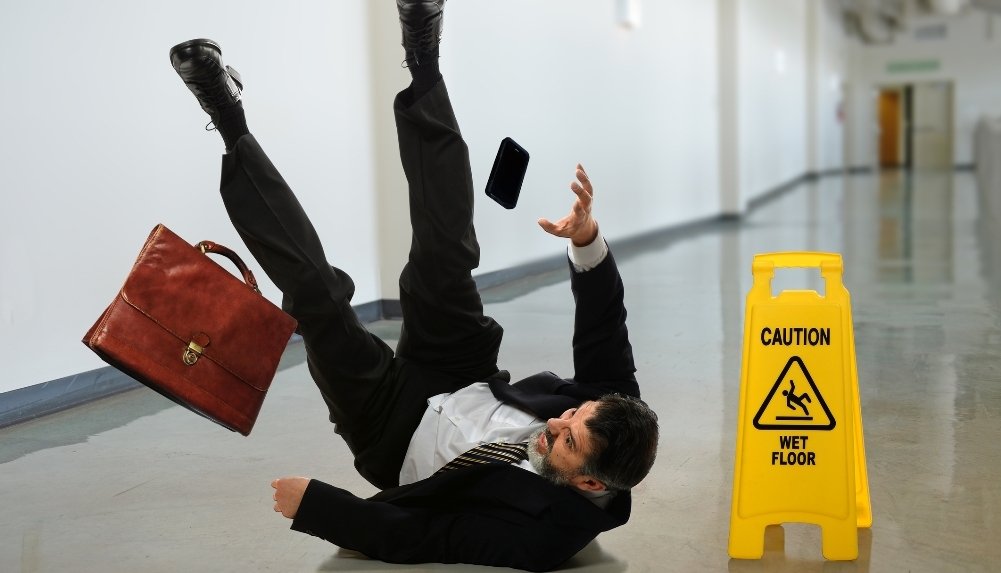
How Chiropractic Care Can Help Spinal Alignment After a Minor Slip and Fall
A minor slip and fall can feel like no big deal at first. You may stand up, walk away, and think you are fine. Then, hours later or the next morning, you notice back pain, neck stiffness, tight muscles, or discomfort when you turn or bend.
Even a small fall can place sudden stress on the muscles, joints, and soft tissues that support your spine. Sometimes, the main problem is not a serious injury but reduced movement and muscle tension that make normal movement uncomfortable.
This is where a careful chiropractic evaluation can help.
At Advanced Chiropractic Rehab, chiropractic care after a minor fall focuses on understanding what is causing your symptoms and helping you return to comfortable, normal movement. Treatment may include gentle spinal adjustments, mobility work, therapeutic exercises, and other rehabilitation techniques based on your individual condition.
The goal is not simply to “crack” your back. The goal is to improve how your body moves and functions while supporting a safe recovery.
What Happens to Your Spine After a Slip and Fall?
================================================
Your spine is designed to move, absorb force, and support your body during everyday activities. A sudden fall can temporarily change how your muscles and joints work together.
For example, you may tense your back muscles when you lose your balance. You may twist as you try to catch yourself. You may land on your hip, shoulder, or back. Even when there is no major injury, these forces can leave certain areas feeling stiff or painful.
You may notice that one side of your back feels tighter than the other. Turning your head may feel uncomfortable. Getting out of a chair may be harder than usual. You may also change the way you walk or sit because you are trying to avoid pain.
These changes can affect normal spinal movement.
It is important to understand that this does not necessarily mean a bone has moved out of place and needs to be physically “put back.” In many cases, the more useful way to think about spinal alignment is how well the joints, muscles, and surrounding tissues are working together during movement.
How Chiropractic Care May Improve Spinal Movement
==================================================
A chiropractor first evaluates your symptoms, movement, and physical condition before deciding whether treatment is appropriate.
If your examination suggests that restricted joint movement or muscular tension is contributing to your discomfort, chiropractic treatment may be used to improve mobility and reduce irritation.
Spinal manipulation is one technique used by chiropractors. It involves a controlled force applied to a spinal joint. Research suggests that spinal manipulation can provide modest improvements in pain and function for some people with acute low-back pain.
However, chiropractic care does not have to mean forceful treatment. Depending on your condition, your provider may use gentler mobilization techniques, soft-tissue work, stretching, strengthening exercises, or movement-based rehabilitation.
This individualized approach is especially important after a fall because not every injury should be treated in the same way.
Why You Should Not Ignore Pain After a Minor Fall
=================================================
One common mistake is assuming that pain from a fall will always disappear on its own.
Sometimes it does. Many episodes of acute back pain improve over several weeks. But persistent or worsening symptoms deserve attention, particularly when they began after an injury.
Pain can also change the way you move. You may avoid turning, bending, lifting, or walking normally. Over time, these protective movement patterns can contribute to more stiffness and weakness.
Getting an appropriate evaluation can help determine whether conservative chiropractic rehabilitation is reasonable or whether you should be referred for additional medical evaluation.
When Should You See a Chiropractor After a Fall?
================================================
Consider an evaluation if you continue to experience back or neck stiffness, muscle tightness, reduced mobility, or pain that is interfering with normal activities after a minor slip or fall.
You do not need to wait until the pain becomes severe.
A professional assessment can help identify whether your symptoms appear related to joint restriction, muscle tension, movement problems, or another condition that requires different care.
At Advanced Chiropractic Rehab, the first step should always be understanding your condition rather than assuming every fall needs the same treatment.
When Chiropractic Care May Not Be the First Step
================================================
Not every injury after a fall is appropriate for immediate chiropractic treatment.
If you have severe pain after a significant fall or blow, difficulty walking or maintaining balance, new weakness or numbness, loss of bladder or bowel control, or other concerning symptoms, you should seek prompt medical evaluation. These symptoms can indicate a more serious problem that needs medical attention.
This is also why a proper examination matters. A responsible chiropractor should consider your injury, medical history, symptoms, and risk factors before recommending spinal manipulation.
Spinal manipulation is generally considered safe when performed appropriately by a trained practitioner, although temporary soreness, stiffness, or increased discomfort can occur.
What Chiropractic Rehabilitation May Include
============================================
Your recovery plan should match your condition.
For some patients, treatment may include gentle spinal adjustments to address restricted movement. Others may benefit from therapeutic exercises designed to improve core strength, flexibility, balance, and movement control.
Soft-tissue techniques may also be used when muscle tension is contributing to discomfort.
The purpose of rehabilitation is to help you move better, not simply to provide temporary relief. As your symptoms improve, your treatment plan may progress toward exercises and activities that help you return to your normal routine.
Why Early Evaluation Can Make a Difference
==========================================
It is easy to ignore a minor fall when you can still walk and perform most of your daily activities.
But pain and stiffness can sometimes become more noticeable as your body settles after the injury. Getting an evaluation can give you a clearer understanding of what may be contributing to your symptoms and what your next step should be.
The sooner you understand the problem, the easier it can be to make an informed decision about treatment.
That does not mean every person needs chiropractic adjustments after a fall. It means your symptoms deserve an appropriate evaluation.
Get Evaluated After a Slip or Fall at Advanced Chiropractic Rehab
=================================================================
If you slipped, fell, or experienced a minor accident and your back or neck has not felt the same since, Advanced Chiropractic Rehab can help you understand what may be contributing to your discomfort.
Our approach is focused on evaluation, individualized care, and rehabilitation rather than treating every patient with the same technique.
Whether your symptoms are related to stiffness, restricted movement, muscle tension, or another musculoskeletal problem, the first step is determining what is actually going on.
Do not let a “minor” fall become a long-term problem. Contact Advanced Chiropractic Rehab to schedule an evaluation and find out whether chiropractic care and rehabilitation are appropriate for your recovery.
Your spine does not need to be treated simply because you fell. It needs to be properly evaluated so you can choose the right next step.
BY:
Uncategorized
COMMENTS: No Comments
 28 Jul 2026
Why Improving Your Posture Matters for Better Health
Posture affects almost everything your body does. Whether you are sitting at your desk, walking through the grocery store, exercising, or simply standing in line, the way you hold your body influences how your muscles, joints, and spine work together.
Many people only think about posture when they start feeling neck pain, back pain, or shoulder tension. However, poor posture often develops slowly over time, making it easy to ignore until discomfort becomes part of daily life.
The good news is that posture can improve. With the right habits, exercises, and professional care when needed, you can reduce pain, move more comfortably, and protect your spine for the future.
At Advanced Chiropractic Rehab, we help patients improve their posture by addressing the underlying causes of poor alignment and creating personalized treatment plans that support long-term spinal health.
What Is Good Posture?
===================
Good posture means your body is properly aligned while sitting, standing, and moving. When your spine maintains its natural curves, your muscles and joints work more efficiently, reducing unnecessary stress throughout your body.
Good posture does not mean standing perfectly straight like a soldier. Instead, it means keeping your head, shoulders, hips, and spine balanced so your body can move naturally with less effort.
When your posture is balanced, your muscles share the workload evenly. This helps reduce fatigue and lowers the risk of strain or injury.
How Poor Posture Affects Your Body
===============================
Many daily habits contribute to poor posture without us realizing it. Looking down at a phone, sitting for long hours, working on a computer, driving, and even carrying heavy bags on one shoulder can gradually change the way your body aligns itself.
As these habits continue, certain muscles become tight while others become weak. This imbalance places additional stress on the spine, shoulders, neck, and hips.
Over time, poor posture may contribute to chronic neck pain, lower back pain, shoulder discomfort, headaches, reduced flexibility, muscle fatigue, and even balance problems. Some people also notice they become tired more quickly because their muscles have to work harder to support their body.
Better Posture Can Reduce Neck and Back Pain
=======================================
One of the biggest benefits of improving posture is pain relief.
When your spine is properly aligned, pressure is distributed more evenly across your joints, discs, and muscles. This reduces unnecessary strain and allows your body to function more efficiently.
Many patients who improve their posture experience less stiffness, fewer muscle spasms, and reduced discomfort during everyday activities. While posture may not be the only cause of pain, correcting poor movement habits often becomes an important part of successful treatment.
Posture Supports Better Movement
==============================
Your body is designed to move freely. Good posture allows your muscles and joints to work together smoothly, making daily activities easier and more comfortable.
Whether you are lifting groceries, exercising, playing with your children, or simply walking, proper alignment improves stability and coordination. Better posture also helps maintain flexibility and reduces the risk of overloading certain muscles or joints.
When your body moves efficiently, you are less likely to experience unnecessary wear and tear over time.
Good Posture Can Improve Breathing
===============================
Many people are surprised to learn that posture affects breathing.
When you slouch, your chest becomes compressed, limiting the space your lungs have to expand. This can make deep breathing more difficult and may reduce the amount of oxygen your body receives during physical activity.
Standing and sitting with better posture allows your chest to open naturally, helping your lungs function more effectively. Better breathing supports energy levels, concentration, and overall health.
Small Daily Habits Make a Big Difference
==================================
Improving posture does not happen overnight. It develops through small, consistent changes that become part of your daily routine.
Taking regular breaks from sitting, adjusting your workstation, keeping computer screens at eye level, using supportive chairs, and staying physically active all help improve posture over time.
Strengthening your core muscles and stretching tight areas such as the chest, shoulders, hips, and hamstrings can also help your body maintain healthier alignment.
The goal is not perfection. The goal is to build healthier movement habits that reduce stress on your spine throughout the day.
How Chiropractic Care Helps Improve Posture
======================================
Sometimes poor posture is caused by more than simple habits. Joint restrictions, muscle imbalances, previous injuries, or spinal misalignment can make it difficult to maintain proper posture, even when you try.
Chiropractic care focuses on restoring healthy movement throughout the spine and joints. When combined with rehabilitation exercises, chiropractic adjustments can help improve flexibility, reduce muscle tension, and support better posture naturally.
At Advanced Chiropractic Rehab, every patient receives an individualized evaluation. Rather than offering the same recommendations for everyone, we identify the specific factors contributing to poor posture and develop a treatment plan designed for your lifestyle and health goals.
This personalized approach helps patients achieve lasting improvements instead of temporary relief.
When Should You Seek Professional Help?
===================================
Occasional muscle soreness from sitting too long is common. However, if you regularly experience neck pain, back pain, headaches, shoulder tension, numbness, or stiffness that interferes with daily life, it may be time for a professional evaluation.
Persistent posture problems often become easier to correct when they are addressed early. Waiting until pain becomes severe may allow muscle imbalances and joint stress to become more difficult to manage.
A chiropractor can evaluate your posture, spinal alignment, movement patterns, and overall function to determine the most appropriate treatment plan.
Protect Your Spine for the Future
============================
Improving your posture is one of the simplest investments you can make in your long-term health. Better posture helps protect your spine, reduces stress on your muscles and joints, improves movement, and supports a more active lifestyle.
The earlier you begin making positive changes, the easier it becomes to prevent chronic pain and maintain healthy movement as you age.
Healthy posture is not about looking better. It is about helping your body function the way it was designed to function.
Start Your Journey Toward Better Posture Today
========================================
If poor posture is causing neck pain, back pain, headaches, or muscle tension, you do not have to live with ongoing discomfort. The team at Advanced Chiropractic Rehab is committed to helping you improve your posture through personalized chiropractic care and rehabilitation programs designed around your unique needs.
Our goal is not only to relieve your current symptoms but also to help you build healthier movement habits that support lifelong spinal health. Contact Advanced Chiropractic Rehab today to schedule your evaluation and take the first step toward standing taller, moving better, and living with less pain.
BY:
Uncategorized
COMMENTS: No Comments
 28 Jul 2026
Why an Active Life Is the Best Medicine for Back Pain
Back pain affects millions of people every year. It can make simple daily activities feel difficult, from getting out of bed to walking, working, or spending time with family. When pain starts, many people believe the best solution is to rest until they feel better. While short periods of rest may help after a new injury, staying inactive for too long can actually make back pain worse.
Research continues to show that movement is one of the most effective ways to reduce many types of back pain. Safe physical activity helps your muscles become stronger, improves flexibility, supports your spine, and keeps your body functioning the way it should. That is why many healthcare professionals, including chiropractors, encourage patients to stay active whenever possible.
At Advanced Chiropractic Rehab, we help patients understand how the right kind of movement can become an important part of long-term back pain relief.
Why Rest Alone Usually Is Not the Answer
===================================
Years ago, people with back pain were often told to stay in bed until the pain disappeared. Today, medical research tells a different story. Extended bed rest can weaken muscles, reduce joint mobility, and slow the healing process.
Your spine depends on muscles, ligaments, joints, and discs working together. When you stop moving, these structures become stiff and less supportive. As muscles weaken, they place more stress on your back, which can increase discomfort over time.
Unless your healthcare provider recommends otherwise because of a serious injury or medical condition, gentle movement is usually safer and more beneficial than complete inactivity.
How Movement Helps Reduce Back Pain
==================================
The human body is designed to move. Regular physical activity keeps the muscles around your spine strong and balanced. Strong muscles help reduce pressure on spinal joints and improve posture.
Movement also increases blood circulation. Better blood flow delivers oxygen and nutrients to injured tissues while helping remove waste products that can contribute to inflammation.
Exercise also encourages the release of endorphins, the body’s natural pain-relieving chemicals. Many people notice they feel both physically and mentally better after regular activity because exercise supports both pain management and emotional well-being.
Even simple activities like walking can help many people experience less stiffness and better mobility.
The Importance of Strong Core Muscles
=================================
Your core includes much more than your abdominal muscles. It also includes muscles in your lower back, hips, pelvis, and sides. Together, these muscles stabilize your spine during everyday movements.
Weak core muscles often force the lower back to work harder than it should. This extra strain may contribute to ongoing pain or recurring injuries.
A personalized rehabilitation program often includes gentle core strengthening exercises that improve stability without placing unnecessary stress on the spine. Over time, better core strength helps support healthy movement and reduces the risk of future episodes of back pain.
Staying Flexible Helps Your Spine
============================
Flexibility is another important part of spinal health. Tight muscles in the hips, hamstrings, and lower back can change how your body moves and place additional stress on the spine.
Gentle stretching helps maintain healthy movement patterns and improves range of motion. Better flexibility allows your body to move more naturally during everyday activities such as bending, lifting, reaching, and walking.
Many patients notice they feel less stiff after incorporating regular stretching into their daily routine.
Every Movement Counts
=====================
You do not need to run marathons or spend hours at the gym to improve your back health. Small amounts of movement throughout the day often make a meaningful difference.
Walking around the neighborhood, taking the stairs, gardening, swimming, cycling, or practicing gentle yoga are all excellent ways to stay active. Even standing up every 30 to 60 minutes during the workday helps reduce stiffness from prolonged sitting.
Consistency is far more important than intensity. Regular movement creates lasting improvements over time.
The Role of Chiropractic Care in an Active Lifestyle
=========================================
While exercise is important, pain sometimes makes it difficult to stay active. Chiropractic care can help restore joint mobility, reduce muscle tension, and improve spinal function, making movement more comfortable.
At Advanced Chiropractic Rehab, treatment plans often combine chiropractic adjustments with therapeutic exercises and rehabilitation techniques. This comprehensive approach helps address the cause of pain instead of only managing symptoms.
Your chiropractor can also recommend exercises based on your age, fitness level, medical history, and specific condition. A personalized plan helps ensure that every activity supports healing rather than causing additional irritation.
When You Should See a Healthcare Professional
========================================
Although movement benefits many people with back pain, some symptoms require immediate medical attention. Severe pain after an accident, numbness or weakness in the legs, loss of bladder or bowel control, or pain accompanied by fever should be evaluated promptly by a healthcare professional.
If your back pain continues for several weeks or keeps returning, a thorough evaluation can identify the underlying cause and help create an effective treatment plan.
Build Healthy Habits for Long-Term Relief
==================================
An active lifestyle is not just about exercising when your back hurts. It is about creating daily habits that protect your spine for years to come.
Regular physical activity, good posture, healthy body weight, proper lifting techniques, and strengthening exercises all work together to reduce stress on your back. These habits not only decrease pain but also improve energy, balance, mobility, and overall quality of life.
Many patients find that making small lifestyle changes leads to significant improvements over time.
Your Journey Toward a Healthier Back Starts Today
===========================================
Back pain does not have to control your life. In many cases, the right combination of movement, chiropractic care, and rehabilitation can help you return to the activities you enjoy with greater confidence and less discomfort.
If back pain is limiting your daily life, the team at Advanced Chiropractic Rehab is here to help. Our personalized chiropractic and rehabilitation programs are designed to relieve pain, restore function, and help you stay active safely. Contact us today to schedule an evaluation and take the first step toward lasting back pain relief.
BY:
Uncategorized
COMMENTS: No Comments
 01 Jul 2026
How Combining Chiropractic Care and Massage Therapy May Improve Stress Levels
Stress Affects More Than Your Mind
==================================
Stress is a normal part of life, but when it becomes constant, it can affect nearly every part of your body. Many people think stress is only an emotional issue, yet it often causes physical symptoms that make everyday life more difficult. Tight muscles, headaches, neck pain, back pain, poor sleep, fatigue, and difficulty concentrating are just a few examples.
If you have been living with ongoing stress, you may have noticed that your body feels tense even when you are trying to relax. This happens because stress affects both your muscles and your nervous system. While there are many ways to manage stress, combining chiropractic care with massage therapy offers a natural, drug-free approach that focuses on improving how your body functions as a whole.
At Advanced Chiropractic Rehab, we help patients reduce physical tension, improve mobility, and support their overall wellness through personalized treatment plans that address the root causes of discomfort instead of simply masking symptoms.
How Stress Changes the Body
===========================
When you experience stress, your body releases hormones that prepare you to respond to a challenge. This reaction is helpful in short-term situations, but ongoing stress can keep your body in a constant state of tension.
Over time, your muscles may become tight, especially around the neck, shoulders, and lower back. Your posture may change without you realizing it, and your joints may not move as freely as they should. Many people also experience tension headaches, jaw discomfort, poor sleep, or increased fatigue because their bodies never fully relax.
This combination of muscle tightness and restricted movement can create a cycle that becomes difficult to break without treatment.
Why Chiropractic Care Can Help Reduce Physical Stress
=====================================================
Chiropractic care focuses on restoring proper movement to the spine and other joints throughout the body. When joints are restricted, nearby muscles often tighten to protect the area, which can increase discomfort and reduce flexibility.
Gentle chiropractic adjustments help improve joint mobility and support healthy nervous system function. Many patients notice that once their body moves more naturally, they feel less stiff and more relaxed throughout the day.
Although chiropractic care is not a treatment for mental health conditions such as anxiety or depression, reducing physical discomfort and improving body function may help lower the physical effects of everyday stress. Many patients also report sleeping better and feeling more comfortable after beginning chiropractic care.
How Massage Therapy Supports Relaxation
=======================================
Massage therapy complements chiropractic care by focusing on the muscles, tendons, and other soft tissues that support your body.
When muscles remain tight for long periods, they can contribute to pain, poor posture, and limited movement. Massage therapy helps reduce muscle tension, improve circulation, and encourage relaxation throughout the body.
As blood flow improves and muscles begin to loosen, many people experience a greater sense of calm. Massage therapy can also help reduce soreness after exercise, improve flexibility, and make everyday movement more comfortable.
When combined with chiropractic care, massage therapy helps prepare the muscles for adjustments and supports recovery afterward, creating a more complete approach to treatment.
Better Sleep Can Help Lower Stress
===================================
Stress and poor sleep often go hand in hand. People who are under constant stress may have trouble falling asleep or staying asleep, while poor sleep can make stress feel even worse the next day.
By reducing muscle tension and improving physical comfort, chiropractic care and massage therapy may help create conditions that support better sleep. When your body is more relaxed, it becomes easier to fall asleep and wake up feeling refreshed.
Better sleep also supports healing, improves energy levels, and helps your body respond more effectively to everyday challenges.
A Personalized Approach Makes the Difference
============================================
No two people experience stress in exactly the same way. Some people carry tension in their neck and shoulders, while others develop lower back pain or frequent headaches. Your daily activities, work environment, posture, exercise habits, and previous injuries all influence how your body responds.
At Advanced Chiropractic Rehab, every patient receives a thorough evaluation before treatment begins. We take the time to understand your symptoms, lifestyle, and health goals so we can develop a personalized care plan that fits your individual needs.
Rather than focusing on temporary relief, our goal is to improve your body’s natural ability to move, recover, and function comfortably over the long term.
Healthy Habits That Support Your Treatment
==========================================
While chiropractic care and massage therapy can help reduce the physical effects of stress, healthy daily habits can make your results even better.
Regular physical activity, staying hydrated, maintaining good posture, getting enough sleep, and taking short breaks during the workday all support your body’s recovery. Even a few minutes of stretching each day can help reduce muscle tightness and improve flexibility between visits.
Combining professional care with healthy lifestyle choices often provides the best long-term results.
When Should You Consider Chiropractic Care and Massage Therapy?
===============================================================
If stress has started affecting your body, it may be time to seek professional care. Persistent muscle tension, recurring headaches, neck pain, back pain, poor posture, or difficulty relaxing are all signs that your body may benefit from treatment.
Early care can often prevent minor discomfort from becoming a chronic problem and help you return to your normal activities with greater comfort and confidence.
Start Feeling More Relaxed Naturally
====================================
Living with stress does not have to mean living with constant pain and muscle tension. Chiropractic care and massage therapy work together to improve movement, reduce physical discomfort, and help your body relax naturally.
At Advanced Chiropractic Rehab, we are committed to helping our patients achieve better health through safe, personalized, and evidence-informed care. Whether your goal is to reduce muscle tension, improve sleep, recover from daily stress, or simply feel your best, our experienced team is here to help.
Schedule your consultation today and discover how combining chiropractic care and massage therapy can help you feel more relaxed, move more comfortably, and enjoy a healthier, more active life.
BY:
Uncategorized
COMMENTS: No Comments
 01 Jul 2026
Amazing Benefits of Combining Chiropractic and Massage Therapy
Why Chiropractic Care and Massage Therapy Work Better Together
==============================================================
When people experience back pain, neck pain, muscle tightness, or stress, they often wonder which treatment is the best choice. Should they see a chiropractor or schedule a massage? The truth is that these therapies are not competitors. They work together to help your body heal more effectively than either treatment alone.
At Advanced Chiropractic Rehab, many patients experience better results when chiropractic adjustments and massage therapy are part of the same treatment plan. Chiropractic care focuses on restoring proper spinal alignment and joint movement, while massage therapy helps relax tight muscles and improve circulation. Together, they address both the structure of the body and the soft tissues that support it.
If your goal is to move better, recover faster, and feel healthier, combining these treatments may be the solution you’ve been looking for.
Understanding the Difference Between Chiropractic Care and Massage Therapy
==========================================================================
Although chiropractic care and massage therapy are often mentioned together, they serve different purposes.
A chiropractor focuses on the spine, joints, and nervous system. Gentle adjustments help improve joint motion, reduce pressure on irritated nerves, and restore normal movement throughout the body.
Massage therapy focuses on muscles, tendons, ligaments, and connective tissues. It helps release muscle tension, improve blood flow, and reduce stiffness that develops from everyday activities, exercise, poor posture, or stress.
When muscles become overly tight, they can pull joints out of their normal position. Likewise, when joints are not moving properly, nearby muscles often tighten to protect the area. Treating only one part of the problem may provide temporary relief, but addressing both often produces longer-lasting results.
Massage Therapy Helps Your Chiropractic Adjustment Last Longer
==============================================================
One reason these treatments work so well together is that massage prepares your body for an adjustment.
Tight muscles can resist movement, making it harder for joints to move freely. Massage helps relax these muscles before an adjustment, allowing your chiropractor to restore proper alignment with less resistance.
After the adjustment, massage therapy continues supporting the healing process by reducing muscle soreness and encouraging healthy movement patterns. Many patients report feeling more comfortable after treatment and notice that the benefits last longer.
Better Pain Relief Without Medication
======================================
Pain often involves more than one tissue. A sore back may involve irritated joints, inflamed muscles, restricted movement, and tension that developed over time.
By combining chiropractic care with massage therapy, multiple causes of discomfort are addressed during the same treatment plan. This comprehensive approach can help reduce pain naturally without depending on medication.
Whether your discomfort comes from sitting at a desk all day, lifting heavy objects, exercising regularly, or recovering from an accident, treating both the joints and muscles often provides more complete relief.
Faster Recovery After Physical Activity
========================================
Many active adults, athletes, and fitness enthusiasts include chiropractic care and massage therapy in their wellness routine because recovery is just as important as exercise.
After physical activity, muscles develop small amounts of stress that are part of the body’s normal adaptation process. Massage helps improve circulation and relax those muscles, while chiropractic care restores proper movement to the joints that support those muscles.
Together, these treatments may help reduce recovery time, allowing you to return to your activities feeling stronger and moving more comfortably.
Improved Flexibility and Range of Motion
========================================
Healthy movement depends on both flexible muscles and properly functioning joints.
When muscles are tight, simple activities such as bending, reaching, or turning your head can become uncomfortable. At the same time, restricted joints limit how your body moves.
Combining chiropractic care with massage therapy helps improve flexibility while restoring natural joint movement. Many patients notice that everyday tasks become easier and exercise feels more comfortable after several treatments.
Stress Relief That Benefits Your Entire Body
============================================
Stress affects more than your mood. It often causes muscle tension, headaches, poor posture, and difficulty sleeping.
Massage therapy encourages relaxation by reducing muscle tightness and promoting a sense of calm. Chiropractic adjustments may also help reduce physical stress by improving spinal function and decreasing tension throughout the body.
When your body feels more relaxed, many people find it easier to sleep, concentrate at work, and enjoy their daily activities.
Who Can Benefit from Both Treatments?
=====================================
People of all ages can benefit from combining chiropractic care and massage therapy. Office workers often develop neck and shoulder tension from sitting for long periods. Active adults may experience muscle soreness and joint stiffness after exercise. Older adults frequently seek treatment to maintain mobility and reduce everyday aches and pains.
Even if you are not currently experiencing significant pain, regular care may help improve posture, support healthy movement, and reduce the risk of future problems.
What to Expect at Advanced Chiropractic Rehab
=============================================
Every patient begins with a thorough evaluation to understand the cause of their symptoms and their overall health goals. Rather than offering the same treatment to everyone, we develop a personalized care plan based on your condition, lifestyle, and activity level.
If massage therapy and chiropractic care are both appropriate, your treatment plan is designed so each therapy complements the other. This personalized approach allows your body to heal naturally while helping you achieve long-term results instead of temporary relief.
Our goal is to help you move comfortably, recover confidently, and return to doing the activities you enjoy.
Is Combining Chiropractic Care and Massage Therapy Right for You?
===================================================================
If you’ve been living with back pain, neck pain, headaches, muscle tightness, or ongoing stress, combining chiropractic care and massage therapy may provide the relief you’ve been searching for.
Many patients discover they not only experience less pain but also better flexibility, improved posture, higher energy levels, and a better quality of life.
The right treatment plan should always be based on your individual needs, not a one-size-fits-all approach.
Start Feeling Better Today
==========================
You don’t have to wait until your pain becomes severe before seeking care. Early treatment can help prevent minor problems from becoming chronic conditions.
At Advanced Chiropractic Rehab, we are committed to helping you move better, feel better, and live a healthier life through personalized chiropractic care and therapeutic massage.
If you’re ready to experience the benefits of a comprehensive, natural approach to pain relief and wellness, schedule your consultation today. Our experienced team is here to help you take the next step toward lasting comfort and better health.
BY:
Uncategorized
COMMENTS: No Comments
 29 May 2026
What Are the Causes of Sciatica?
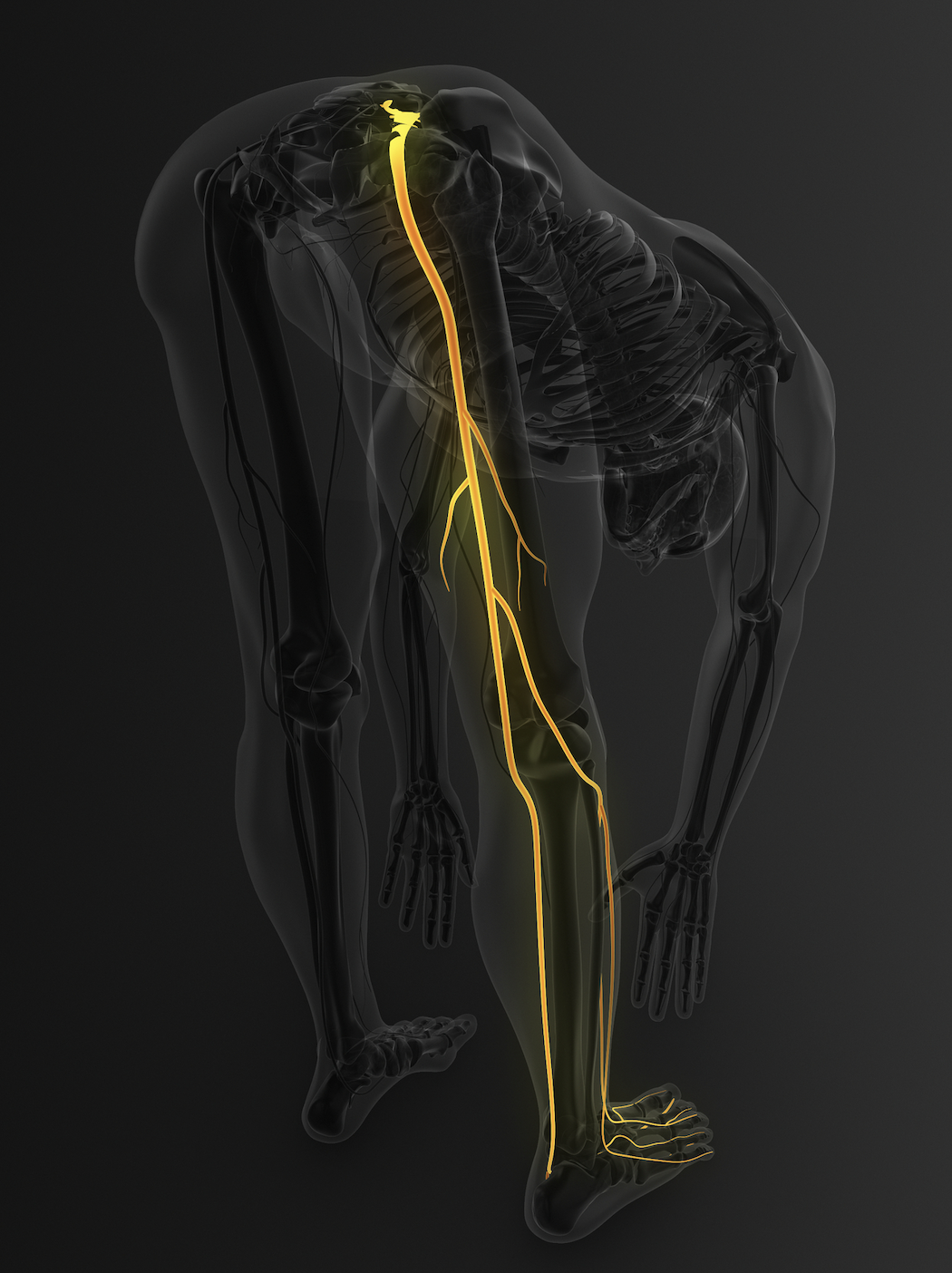
Sciatica is one of the most common causes of lower back and leg pain, affecting millions of people each year. The condition occurs when the sciatic nerve becomes irritated, inflamed, or compressed. Since the sciatic nerve is the largest nerve in the body, extending from the lower spine through the hips and down each leg, irritation can lead to pain that radiates across multiple areas of the body.
While many people associate sciatica with general back pain, the condition is usually a symptom of an underlying spinal or muscular issue. Understanding the causes of sciatica can help individuals recognize early warning signs and seek appropriate treatment before symptoms worsen.
Herniated or Bulging Discs
==========================
One of the most common causes of sciatica is a herniated disc in the lower spine. Spinal discs act as cushions between the vertebrae, helping absorb shock and support movement. When a disc becomes damaged or slips out of place, it can press against nearby nerve roots, including the sciatic nerve.
This pressure often causes sharp pain, numbness, tingling, or weakness that travels from the lower back into the buttocks and legs. Herniated discs can develop due to aging, repetitive strain, poor posture, or sudden injuries.
Spinal Stenosis
===============
Spinal stenosis refers to the narrowing of spaces within the spine. As the spinal canal narrows, it can place pressure on the nerves traveling through the lower back. This condition is more common in older adults due to age-related wear and tear on the spine.
People with spinal stenosis may experience sciatica symptoms that worsen during walking or standing for long periods. The discomfort often improves when sitting or bending slightly forward.
Degenerative Disc Disease
=========================
As people age, spinal discs naturally lose hydration and flexibility. This gradual breakdown is known as degenerative disc disease. Reduced disc height and spinal instability can lead to inflammation and nerve compression, increasing the likelihood of sciatica pain.
Although degeneration is a normal part of aging, some individuals experience more severe symptoms depending on their lifestyle, activity level, and spinal health.
Piriformis Syndrome
==================
The piriformis muscle is located deep in the buttocks near the sciatic nerve. In some cases, this muscle becomes tight, inflamed, or spasms, placing pressure on the sciatic nerve. This condition is known as piriformis syndrome.
Piriformis syndrome often develops due to prolonged sitting, overuse injuries, intense exercise, or muscle imbalances. Unlike spinal-related sciatica, this type originates from muscular compression rather than disc problems.
Spinal Misalignment
==================
Poor spinal alignment can contribute to uneven pressure on the lower back and surrounding nerves. Misaligned vertebrae may irritate the sciatic nerve directly or create muscular tension that affects nerve function.
Postural habits, repetitive movements, improper lifting techniques, and sedentary lifestyles can all contribute to spinal imbalance over time.
Pregnancy
=========
Pregnancy can sometimes trigger sciatica symptoms due to additional pressure placed on the lower spine and pelvis. As the body changes to support a growing baby, posture shifts and hormonal changes can increase stress on the sciatic nerve.
Many pregnant women experience temporary sciatica during the later stages of pregnancy, especially when sitting, standing, or sleeping in certain positions.
Injury or Trauma
================
Car accidents, sports injuries, falls, or sudden impacts can damage the spine, muscles, or nerves in the lower back. Trauma-related inflammation and structural changes may place pressure on the sciatic nerve and trigger pain symptoms.
In some cases, sciatica develops immediately after an injury, while other times symptoms appear gradually during recovery.
Obesity and Sedentary Lifestyle
===============================
Excess body weight places additional strain on the spine and surrounding muscles, increasing the risk of disc problems and nerve compression. A sedentary lifestyle can also weaken core muscles that support the spine, leading to poor posture and increased spinal stress.
Long hours of sitting, especially without proper ergonomic support, are commonly linked to lower back pain and sciatic nerve irritation.
Diabetes and Other Health Conditions
====================================
Certain medical conditions, including diabetes, can increase the risk of nerve damage and inflammation. Diabetes-related nerve complications may worsen sciatic symptoms or make individuals more sensitive to nerve pain.
Other inflammatory or degenerative conditions affecting the spine and nervous system can also contribute to sciatica development.
Recognizing the Symptoms of Sciatica
====================================
Sciatica symptoms can vary depending on the severity and cause of nerve compression. Common signs include:
Sharp or shooting pain in the lower back or leg
Tingling or burning sensations
Numbness in the leg or foot
Muscle weakness
Pain that worsens with prolonged sitting or movement
Some individuals experience mild discomfort, while others may struggle with severe pain that affects mobility and daily activities.
When to Seek Treatment
======================
Sciatica often improves with conservative care such as stretching, physical therapy, chiropractic treatment, and lifestyle changes. However, persistent or worsening symptoms should not be ignored.
Medical attention is especially important if sciatica causes severe weakness, loss of bladder or bowel control, or significant numbness, as these symptoms may indicate a more serious spinal condition.
Final Thoughts
==============
Sciatica is not a condition itself but rather a symptom of underlying nerve irritation or spinal dysfunction. From herniated discs and spinal stenosis to muscle tension and poor posture, several factors can contribute to sciatic nerve pain. Identifying the root cause is an essential step toward effective treatment and long-term relief.
By understanding what causes sciatica, individuals can take proactive steps to improve spinal health, reduce nerve pressure, and prevent recurring pain episodes.
BY:
Uncategorized
COMMENTS: No Comments
 29 May 2026
What to Expect During Sciatica Pain Treatment From a Chiropractor
Sciatica pain can make even the simplest daily activities feel difficult. From sharp lower back pain to tingling sensations that travel down the leg, the condition often interferes with work, sleep, exercise, and overall quality of life. For many people seeking a non-surgical and drug-free approach to relief, chiropractic care has become a popular treatment option. Understanding what to expect during sciatica pain treatment from a chiropractor can help ease concerns and prepare you for the recovery process.
Sciatica occurs when the sciatic nerve becomes irritated or compressed, usually due to issues such as a herniated disc, spinal misalignment, muscle tension, or inflammation in the lower back. Because the sciatic nerve extends from the lower spine through the hips and legs, the pain can radiate across multiple areas of the body. Chiropractors focus on identifying the source of this nerve pressure and using targeted techniques to reduce discomfort while improving spinal function.
Your first visit to a chiropractor typically begins with a detailed consultation. The chiropractor will ask questions about your symptoms, medical history, lifestyle habits, posture, and previous injuries. This conversation helps determine the possible causes of your sciatica and whether chiropractic care is appropriate for your condition. In many cases, a physical examination follows, where the chiropractor evaluates spinal alignment, range of motion, muscle strength, reflexes, and walking posture. Depending on the severity of the symptoms, imaging tests such as X-rays or MRIs may also be recommended to gain a clearer understanding of the spine and nerve structures.
Once the evaluation is complete, the chiropractor develops a personalized treatment plan designed to reduce nerve irritation and restore mobility. One of the most common treatment methods is spinal adjustment. During this process, controlled and gentle pressure is applied to specific areas of the spine to improve alignment and relieve pressure on the sciatic nerve. These adjustments are intended to restore proper movement in the joints and support the body’s natural healing process.
In addition to spinal manipulation, chiropractors often incorporate soft tissue therapy into sciatica treatment. Tight muscles surrounding the lower back and hips can worsen nerve compression, so techniques such as massage therapy or muscle release therapy may be used to ease tension and improve circulation. Many patients find that combining spinal adjustments with muscle therapy provides more noticeable relief and flexibility.
Exercise and stretching also play an important role in chiropractic care for sciatica. A chiropractor may guide patients through exercises that strengthen the core and lower back while improving flexibility in the hips and legs. These movements are designed not only to reduce current pain but also to prevent future flare-ups by improving posture and spinal support. Lifestyle recommendations may also be included, especially for individuals whose sciatica is linked to long hours of sitting, poor ergonomics, or repetitive physical strain.
Many patients are surprised to learn that chiropractic treatment is generally gentle and non-invasive. While some adjustments may produce a popping sound caused by gas releasing from the joints, the procedure is usually painless. Some people experience immediate relief after a session, while others notice gradual improvement over several visits. Mild soreness similar to post-workout discomfort can occur after treatment, but this often fades within a short time.
The number of chiropractic sessions needed for sciatica varies depending on the severity of the condition and how long symptoms have been present. Acute cases may improve relatively quickly, while chronic sciatica may require ongoing care and rehabilitation. Consistency with treatment and following at-home recommendations can significantly influence recovery outcomes.
Chiropractic care offers a natural approach to managing sciatica pain without relying heavily on medication or invasive procedures. By focusing on spinal health, nerve function, and movement patterns, chiropractors aim to address the root cause of the discomfort rather than simply masking symptoms. For many individuals, this approach leads to improved mobility, reduced pain, and a better quality of life.
Although chiropractic care can be highly beneficial, it is important to seek immediate medical attention if sciatica symptoms include severe leg weakness, loss of bladder or bowel control, or sudden numbness in the groin area, as these signs may indicate a more serious medical condition.
For those struggling with persistent nerve pain, chiropractic treatment can provide a supportive and personalized path toward recovery. Knowing what to expect throughout the process helps patients feel more confident about starting treatment and taking steps toward long-term relief.
BY:
Uncategorized
COMMENTS: No Comments