
 02 Mar 2026
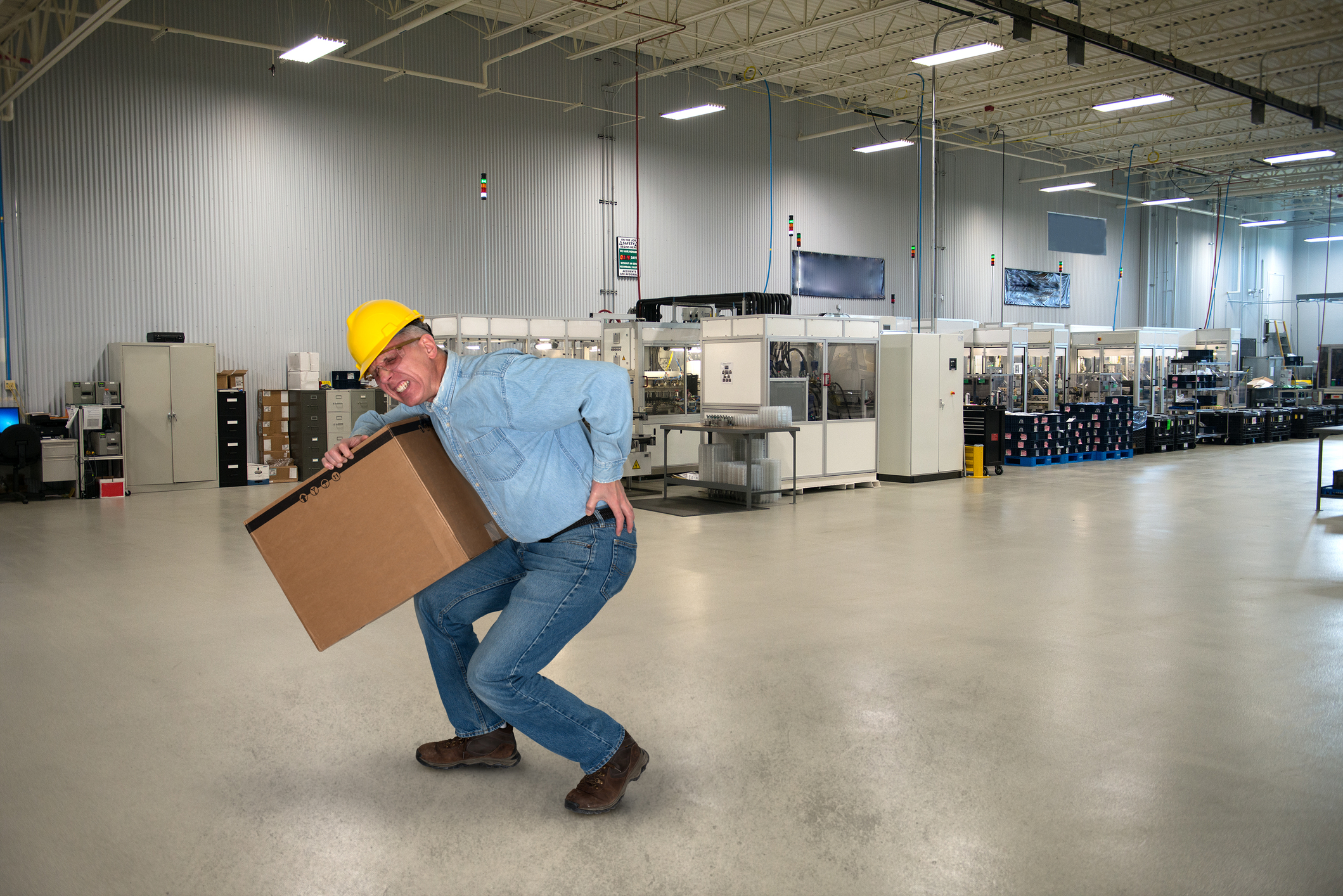
Proper Lifting Techniques to Protect Your Back
Back injuries often happen in seconds.
You bend down. You twist. You lift something quickly. Then you feel it — a sharp pain in your lower back.
At Advanced Chiropractic Rehab, we treat many patients whose pain started with lifting something the wrong way. The good news is this: most lifting injuries are preventable.
If you learn proper lifting techniques, you can protect your spine, avoid pain, and stay active.
Why Proper Lifting Is So Important
Your spine is made of bones (vertebrae), discs, muscles, and nerves. These parts work together to support your body and help you move.
When you lift incorrectly:
• The pressure on your lower back increases
• Discs can become strained or injured
• Muscles may tear
• Nerves can become irritated
Even lifting a light object the wrong way can cause pain.
Many people think back injuries only happen in the gym. In reality, they often happen at home, at work, or while helping someone move.
The Most Common Lifting Mistakes
We often see patients who:
• Bend at the waist instead of the knees
• Twist while holding something heavy
• Lift too quickly
• Hold objects far from the body
• Try to lift more than they can safely handle
These mistakes increase pressure on the lower back and make injury more likely.
Step-by-Step Guide to Proper Lifting
Follow these simple steps every time you lift something heavy.
1. Plan Before You Lift
Look at the object.
Ask yourself:
• Is it too heavy?
• Do I need help?
• Is the path clear?
If something feels too heavy, ask for assistance. There is no benefit in risking injury.
2. Stand Close to the Object
Keep the object close to your body.
The farther the object is from your body, the more stress it places on your spine.
3. Bend Your Knees, Not Your Back
Squat down by bending your knees and hips.
Keep your chest up and your back straight. Do not round your spine.
This allows your leg muscles — which are strong — to do most of the work.
4. Tighten Your Core Muscles
Before lifting, gently tighten your stomach muscles.
This supports your spine and adds stability.
5. Lift Slowly and Smoothly
Push through your legs to stand up.
Do not jerk or twist.
Keep your back straight and your movements controlled.
6. Do Not Twist While Lifting
If you need to turn, move your feet.
Twisting while holding weight is one of the most common causes of disc injuries.
Proper Lifting at Work
If your job requires lifting often, small changes can prevent long-term damage.
We recommend:
• Taking short stretch breaks
• Using supportive equipment when possible
• Keeping frequently used items at waist height
• Strengthening your core and hip muscles
Many workplace injuries happen because of repeated poor lifting habits, not just one single event.
Warning Signs of a Lifting Injury
If you experience:
• Sharp lower back pain
• Pain going down the leg
• Numbness or tingling
• Muscle weakness
• Pain that lasts more than a few days
You may have strained a muscle or irritated a disc or nerve.
Do not ignore these symptoms. Early care can prevent long-term problems.
How Chiropractic Care Helps After a Lifting Injury
At Advanced Chiropractic Rehab, we focus on identifying the root cause of your pain.
We evaluate:
• Spinal alignment
• Joint movement
• Muscle tension
• Nerve irritation
• Posture and lifting mechanics
Treatment may include:
• Gentle spinal adjustments
• Soft tissue therapy
• Corrective exercises
• Posture education
• Movement training
Our goal is not just to reduce pain. We want to restore function and prevent the injury from happening again.
Strength Matters: Build a Back That Resists Injury
Proper lifting technique is important. But strength also plays a big role.
Strong core, hip, and leg muscles support your spine during daily activities.
Simple exercises such as:
• Squats
• Glute bridges
• Planks
• Hip hinges
can improve stability and reduce injury risk.
We guide patients through safe strengthening programs based on their condition and fitness level.
Protect Your Spine for the Long Term
Your spine supports you every day.
Small habits — like lifting correctly — protect your health for years to come.
If you have back pain from lifting, or want to learn how to move safely, our team at Advanced Chiropractic Rehab is here to help.
Schedule your consultation today and take the first step toward a stronger, healthier back.
BY:
Uncategorized
COMMENTS: No Comments
 02 Mar 2026
Sleeping Your Way to Better Health
Sleep is not a luxury. It is not “extra.” It is one of the most powerful healing tools your body has.
At Advanced Chiropractic Rehab, we often see patients who stretch, exercise, eat well, and still struggle with pain, fatigue, or slow recovery. When we look closer, the missing piece is often simple: poor sleep.
If you want less pain, better posture, faster healing, and more energy, improving your sleep may be the smartest first step.
Why Sleep Is So Important for Healing
When you sleep, your body goes into repair mode.
During deep sleep:
• Muscles rebuild
• Inflamed tissues calm down
• Hormones balance
• The brain clears waste
• The spine decompresses
If sleep is short or poor quality, your body cannot fully repair. This can lead to:
• Ongoing neck or back pain
• Headaches
• Muscle tightness
• Poor posture
• Increased stress
• Slower injury recovery
Sleep is when your nervous system resets. Without that reset, pain signals become stronger and more sensitive.
The Connection Between Sleep and Pain
Pain and sleep affect each other.
If you sleep poorly, pain increases.
If you have pain, sleep becomes harder.
This creates a cycle:
Pain → Poor Sleep → More Inflammation → More Pain
Chiropractic care helps break this cycle by improving spinal alignment, reducing nerve irritation, and restoring movement. But sleep habits must also improve for long-term results.
How Your Spine Affects Your Sleep
Your spine protects your nervous system. If the spine is restricted or misaligned, it can:
• Increase muscle tension
• Irritate nerves
• Make it hard to find a comfortable position
• Cause you to wake up often
Many patients tell us:
“I fall asleep fine, but I wake up stiff.”
“I wake up with neck pain every morning.”
“My lower back hurts more when I get out of bed.”
These are signs your sleep setup and spinal health may need attention.
The Best Sleep Positions for Spinal Health
Your sleep position matters more than most people think.
Back Sleeping (Best for Most People)
• Keeps the spine neutral
• Reduces pressure on joints
• Good for neck and lower back support
Tip: Place a small pillow under your knees to reduce lower back stress.
Side Sleeping (Also Very Good)
• Reduces snoring
• Good for pregnancy
• Supports natural spinal curve
Tip: Place a pillow between your knees to keep hips aligned.
Stomach Sleeping (Not Recommended)
• Twists the neck
• Flattens the lower back
• Increases pressure on joints
If you sleep on your stomach, it may be contributing to neck or low back pain.
Your Mattress and Pillow Matter
You do not need the most expensive mattress. You need the right support.
A good mattress should:
• Keep your spine straight
• Not sag in the middle
• Support your natural curves
Your pillow should:
• Keep your head level with your spine
• Not push your neck too far forward
• Not let your head drop backward
If you wake up with headaches or neck stiffness, your pillow may be the problem.
Simple Habits That Improve Sleep Quality
Small changes can make a big difference.
1. Go to bed at the same time every night
2. Stop screens 30–60 minutes before bed
3. Keep the room dark and cool
4. Avoid heavy meals late at night
5. Stretch gently before bed
Light stretching relaxes muscles and prepares your spine for rest. Many of our patients notice better sleep after chiropractic adjustments combined with gentle evening mobility work.
When Sleep Problems Are a Sign of Something More
If you have:
• Chronic insomnia
• Numbness or tingling at night
• Severe morning stiffness
• Ongoing headaches
• Pain that wakes you up
Your body may be signaling deeper spinal or nervous system stress.
At Advanced Chiropractic Rehab, we evaluate posture, spinal movement, muscle balance, and nerve function. Our goal is not just short-term pain relief. We focus on restoring function so your body can heal naturally — especially during sleep.
The Hidden Power of Deep Sleep
Deep sleep helps regulate:
• Cortisol (stress hormone)
• Growth hormone (tissue repair)
• Inflammation levels
• Immune strength
If you constantly feel tired even after 7–8 hours, the issue may not be quantity. It may be quality.
Spinal tension and nerve stress can prevent deep, restorative sleep cycles. Improving alignment and reducing tension often helps patients experience more restful, uninterrupted sleep.
Sleep Better, Heal Faster
You cannot out-exercise poor sleep.
You cannot supplement your way around it.
You cannot ignore it and expect full recovery.
True health requires:
Movement
Alignment
Recovery
Rest
When these work together, the body heals more efficiently.
Ready to Improve Your Sleep Naturally?
If you wake up tired, stiff, or in pain, your spine may be affecting your sleep.
At Advanced Chiropractic Rehab, we provide personalized care focused on:
• Reducing nerve irritation
• Improving spinal alignment
• Restoring mobility
• Supporting long-term healing
Better sleep is possible. Better health is possible.
Schedule a consultation today and take the first step toward sleeping your way to better health.
BY:
Uncategorized
COMMENTS: No Comments