
 30 Mar 2026
Chiropractic Treatment Benefits for Fitness and Recovery
Staying consistent with your fitness routine can be challenging, especially when pain, stiffness, or injuries slow you down. Chiropractic treatment offers a natural way to support your body, improve performance, and speed up recovery without relying on medication.
Whether you are an athlete or simply trying to stay active, chiropractic care can help you move better and feel stronger.
How Chiropractic Care Supports Your Fitness Goals
————————————————-
Your body performs best when your spine, joints, and muscles are working together properly. Misalignments can reduce mobility, cause pain, and increase your risk of injury.
Chiropractic adjustments help restore proper alignment, allowing your body to function more efficiently and safely during exercise.
Key Benefits of Chiropractic Treatment for Fitness
————————————————–
– Improved Mobility and Flexibility
Restricted joints and tight muscles can limit your range of motion. Chiropractic care helps restore movement, making it easier to perform exercises correctly.
– Faster Recovery After Workouts
After intense workouts, your body needs time to recover. Chiropractic treatment improves circulation and reduces inflammation, helping your muscles heal faster.
– Injury Prevention
Small imbalances in your body can lead to bigger injuries over time. Regular chiropractic visits help identify and correct these issues before they become serious.
– Reduced Pain and Muscle Tension
Muscle soreness and joint discomfort are common after exercise. Chiropractic care helps relieve tension and reduce pain, so you can stay consistent with your workouts.
– Better Posture and Alignment
Good posture is essential for safe and effective workouts. Chiropractic adjustments improve alignment, reducing strain on your muscles and joints.
Common Fitness-Related Issues Chiropractic Care Can Help With
————————————————————-
Chiropractic treatment is effective for many common fitness-related problems, including:
– Lower back pain
– Neck and shoulder tension
– Knee and joint discomfort
– Sports injuries
– Muscle tightness and stiffness
Why Choose Chiropractic Care for Recovery Instead of Medication?
—————————————————————-
Medication may mask pain, but it does not fix the underlying problem. Chiropractic care focuses on correcting the cause of discomfort, helping your body heal naturally.
Benefits include:
– Drug-free treatment
– Non-invasive approach
– Long-term results
– Improved overall performance
What to Expect at Advanced Chiropractic Rehab
———————————————
At Advanced Chiropractic Rehab, your treatment begins with a personalized assessment. Your chiropractor will evaluate your movement, posture, and areas of discomfort to create a customized plan.
Your care may include:
– Gentle spinal adjustments
– Stretching and mobility exercises
– Posture and movement guidance
– Recovery recommendations
Stay Active, Strong, and Pain-Free
———————————-
You do not have to let pain or slow recovery hold you back from your fitness goals. Chiropractic treatment offers a safe and effective way to support your body and improve your performance.
👉 Contact us today for a free consultation and start your journey toward better fitness and faster recovery.
FAQs
—-
Q: Is chiropractic care only for injuries?
A: No, many people use it regularly to improve performance and prevent injuries.
Q: How often should I visit a chiropractor?
A: It depends on your activity level and condition. Your chiropractor will recommend a plan that fits your needs.
Q: Can chiropractic care improve athletic performance?
A: Yes, by improving mobility, alignment, and recovery, it can enhance overall performance.
BY:
Uncategorized
COMMENTS: No Comments
 30 Mar 2026
Heal Without Medication: Conditions Chiropractic Care Can Help Improve
Living with pain can make everyday life harder. Many people rely on medication for relief, but it does not always fix the root cause. Chiropractic care focuses on natural healing by improving how your spine and nervous system work together. This approach helps your body recover without depending on drugs.
If you are looking for a safe, non-invasive solution, chiropractic care may be the answer.
What Is Chiropractic Care?
==========================
Chiropractic care is a hands-on treatment that focuses on the spine, joints, and muscles. Chiropractors use gentle adjustments to correct misalignment, reduce pressure on nerves, and improve body function.
When your spine is properly aligned, your body can heal more efficiently and function at its best.
Conditions Chiropractic Care Can Help Improve
Chiropractic treatment is commonly used to relieve many types of pain and discomfort, including:
1. Back Pain
Back pain is one of the most common reasons people visit a chiropractor. Adjustments help reduce tension, improve posture, and relieve pressure on the spine.
2. Neck Pain
Poor posture, long hours at a desk, or phone use can lead to neck pain. Chiropractic care helps restore proper alignment and reduce stiffness.
3. Headaches and Migraines
Tension headaches often come from tight muscles and spinal issues. Chiropractic adjustments can reduce frequency and intensity of headaches.
4. Sciatica
Sciatica causes pain that travels from the lower back down the leg. Chiropractic care can relieve pressure on the sciatic nerve and reduce pain.
5. Joint Pain
Pain in the shoulders, knees, or hips can limit movement. Chiropractic care improves joint mobility and reduces inflammation.
6. Muscle Tension and Stiffness
Tight muscles can cause discomfort and reduce flexibility. Adjustments and supportive therapies help muscles relax and recover.
7. Posture Problems
Bad posture can lead to long-term pain. Chiropractic care helps correct posture and prevent future issues.
Why Choose Chiropractic Care Instead of Medication?
===================================================
Medication may reduce pain temporarily, but it often does not address the cause. Chiropractic care focuses on long-term healing by improving how your body functions.
Benefits include:
Drug-free treatment
Non-invasive approach
Addresses root causes of pain
Improves mobility and flexibility
Supports overall wellness
What to Expect During Your Visit
================================
At Advanced Chiropractic Rehab, your care starts with a full evaluation. The chiropractor will assess your condition, understand your symptoms, and create a personalized treatment plan.
Treatment may include:
Gentle spinal adjustments
Stretching and mobility exercises
Posture correction guidance
Lifestyle recommendations
Each visit is focused on helping you feel better and move better.
Is Chiropractic Care Safe?
==========================
Yes, chiropractic care is considered safe when performed by a trained professional. It is a trusted option for people who want to avoid medication or surgery.
Your chiropractor will always adjust treatments based on your comfort level and condition.
Start Your Natural Healing Journey Today
You do not have to live with pain or depend on medication. Chiropractic care offers a natural way to improve your health and quality of life.
Contact Advanced Chiropractic Rehab today for a free consultation and take the first step toward lasting relief and better movement.
Quick FAQs
==========
Q: How many sessions do I need?
A: It depends on your condition. Some people feel better after a few visits, while others need ongoing care.
Q: Does chiropractic treatment hurt?
A: Most patients feel relief after treatment. Adjustments are gentle and safe.
Q: Can chiropractic care replace medication?
A: Many patients reduce or avoid medication, but always consult your doctor before making changes.
BY:
Uncategorized
COMMENTS: No Comments
 02 Mar 2026
Proper Lifting Techniques to Protect Your Back
Back injuries often happen in seconds.
You bend down. You twist. You lift something quickly. Then you feel it — a sharp pain in your lower back.
At Advanced Chiropractic Rehab, we treat many patients whose pain started with lifting something the wrong way. The good news is this: most lifting injuries are preventable.
If you learn proper lifting techniques, you can protect your spine, avoid pain, and stay active.
Why Proper Lifting Is So Important
Your spine is made of bones (vertebrae), discs, muscles, and nerves. These parts work together to support your body and help you move.
When you lift incorrectly:
• The pressure on your lower back increases
• Discs can become strained or injured
• Muscles may tear
• Nerves can become irritated
Even lifting a light object the wrong way can cause pain.
Many people think back injuries only happen in the gym. In reality, they often happen at home, at work, or while helping someone move.
The Most Common Lifting Mistakes
We often see patients who:
• Bend at the waist instead of the knees
• Twist while holding something heavy
• Lift too quickly
• Hold objects far from the body
• Try to lift more than they can safely handle
These mistakes increase pressure on the lower back and make injury more likely.
Step-by-Step Guide to Proper Lifting
Follow these simple steps every time you lift something heavy.
1. Plan Before You Lift
Look at the object.
Ask yourself:
• Is it too heavy?
• Do I need help?
• Is the path clear?
If something feels too heavy, ask for assistance. There is no benefit in risking injury.
2. Stand Close to the Object
Keep the object close to your body.
The farther the object is from your body, the more stress it places on your spine.
3. Bend Your Knees, Not Your Back
Squat down by bending your knees and hips.
Keep your chest up and your back straight. Do not round your spine.
This allows your leg muscles — which are strong — to do most of the work.
4. Tighten Your Core Muscles
Before lifting, gently tighten your stomach muscles.
This supports your spine and adds stability.
5. Lift Slowly and Smoothly
Push through your legs to stand up.
Do not jerk or twist.
Keep your back straight and your movements controlled.
6. Do Not Twist While Lifting
If you need to turn, move your feet.
Twisting while holding weight is one of the most common causes of disc injuries.
Proper Lifting at Work
If your job requires lifting often, small changes can prevent long-term damage.
We recommend:
• Taking short stretch breaks
• Using supportive equipment when possible
• Keeping frequently used items at waist height
• Strengthening your core and hip muscles
Many workplace injuries happen because of repeated poor lifting habits, not just one single event.
Warning Signs of a Lifting Injury
If you experience:
• Sharp lower back pain
• Pain going down the leg
• Numbness or tingling
• Muscle weakness
• Pain that lasts more than a few days
You may have strained a muscle or irritated a disc or nerve.
Do not ignore these symptoms. Early care can prevent long-term problems.
How Chiropractic Care Helps After a Lifting Injury
At Advanced Chiropractic Rehab, we focus on identifying the root cause of your pain.
We evaluate:
• Spinal alignment
• Joint movement
• Muscle tension
• Nerve irritation
• Posture and lifting mechanics
Treatment may include:
• Gentle spinal adjustments
• Soft tissue therapy
• Corrective exercises
• Posture education
• Movement training
Our goal is not just to reduce pain. We want to restore function and prevent the injury from happening again.
Strength Matters: Build a Back That Resists Injury
Proper lifting technique is important. But strength also plays a big role.
Strong core, hip, and leg muscles support your spine during daily activities.
Simple exercises such as:
• Squats
• Glute bridges
• Planks
• Hip hinges
can improve stability and reduce injury risk.
We guide patients through safe strengthening programs based on their condition and fitness level.
Protect Your Spine for the Long Term
Your spine supports you every day.
Small habits — like lifting correctly — protect your health for years to come.
If you have back pain from lifting, or want to learn how to move safely, our team at Advanced Chiropractic Rehab is here to help.
Schedule your consultation today and take the first step toward a stronger, healthier back.
BY:
Uncategorized
COMMENTS: No Comments
 02 Mar 2026
Sleeping Your Way to Better Health
Sleep is not a luxury. It is not “extra.” It is one of the most powerful healing tools your body has.
At Advanced Chiropractic Rehab, we often see patients who stretch, exercise, eat well, and still struggle with pain, fatigue, or slow recovery. When we look closer, the missing piece is often simple: poor sleep.
If you want less pain, better posture, faster healing, and more energy, improving your sleep may be the smartest first step.
Why Sleep Is So Important for Healing
When you sleep, your body goes into repair mode.
During deep sleep:
• Muscles rebuild
• Inflamed tissues calm down
• Hormones balance
• The brain clears waste
• The spine decompresses
If sleep is short or poor quality, your body cannot fully repair. This can lead to:
• Ongoing neck or back pain
• Headaches
• Muscle tightness
• Poor posture
• Increased stress
• Slower injury recovery
Sleep is when your nervous system resets. Without that reset, pain signals become stronger and more sensitive.
The Connection Between Sleep and Pain
Pain and sleep affect each other.
If you sleep poorly, pain increases.
If you have pain, sleep becomes harder.
This creates a cycle:
Pain → Poor Sleep → More Inflammation → More Pain
Chiropractic care helps break this cycle by improving spinal alignment, reducing nerve irritation, and restoring movement. But sleep habits must also improve for long-term results.
How Your Spine Affects Your Sleep
Your spine protects your nervous system. If the spine is restricted or misaligned, it can:
• Increase muscle tension
• Irritate nerves
• Make it hard to find a comfortable position
• Cause you to wake up often
Many patients tell us:
“I fall asleep fine, but I wake up stiff.”
“I wake up with neck pain every morning.”
“My lower back hurts more when I get out of bed.”
These are signs your sleep setup and spinal health may need attention.
The Best Sleep Positions for Spinal Health
Your sleep position matters more than most people think.
Back Sleeping (Best for Most People)
• Keeps the spine neutral
• Reduces pressure on joints
• Good for neck and lower back support
Tip: Place a small pillow under your knees to reduce lower back stress.
Side Sleeping (Also Very Good)
• Reduces snoring
• Good for pregnancy
• Supports natural spinal curve
Tip: Place a pillow between your knees to keep hips aligned.
Stomach Sleeping (Not Recommended)
• Twists the neck
• Flattens the lower back
• Increases pressure on joints
If you sleep on your stomach, it may be contributing to neck or low back pain.
Your Mattress and Pillow Matter
You do not need the most expensive mattress. You need the right support.
A good mattress should:
• Keep your spine straight
• Not sag in the middle
• Support your natural curves
Your pillow should:
• Keep your head level with your spine
• Not push your neck too far forward
• Not let your head drop backward
If you wake up with headaches or neck stiffness, your pillow may be the problem.
Simple Habits That Improve Sleep Quality
Small changes can make a big difference.
1. Go to bed at the same time every night
2. Stop screens 30–60 minutes before bed
3. Keep the room dark and cool
4. Avoid heavy meals late at night
5. Stretch gently before bed
Light stretching relaxes muscles and prepares your spine for rest. Many of our patients notice better sleep after chiropractic adjustments combined with gentle evening mobility work.
When Sleep Problems Are a Sign of Something More
If you have:
• Chronic insomnia
• Numbness or tingling at night
• Severe morning stiffness
• Ongoing headaches
• Pain that wakes you up
Your body may be signaling deeper spinal or nervous system stress.
At Advanced Chiropractic Rehab, we evaluate posture, spinal movement, muscle balance, and nerve function. Our goal is not just short-term pain relief. We focus on restoring function so your body can heal naturally — especially during sleep.
The Hidden Power of Deep Sleep
Deep sleep helps regulate:
• Cortisol (stress hormone)
• Growth hormone (tissue repair)
• Inflammation levels
• Immune strength
If you constantly feel tired even after 7–8 hours, the issue may not be quantity. It may be quality.
Spinal tension and nerve stress can prevent deep, restorative sleep cycles. Improving alignment and reducing tension often helps patients experience more restful, uninterrupted sleep.
Sleep Better, Heal Faster
You cannot out-exercise poor sleep.
You cannot supplement your way around it.
You cannot ignore it and expect full recovery.
True health requires:
Movement
Alignment
Recovery
Rest
When these work together, the body heals more efficiently.
Ready to Improve Your Sleep Naturally?
If you wake up tired, stiff, or in pain, your spine may be affecting your sleep.
At Advanced Chiropractic Rehab, we provide personalized care focused on:
• Reducing nerve irritation
• Improving spinal alignment
• Restoring mobility
• Supporting long-term healing
Better sleep is possible. Better health is possible.
Schedule a consultation today and take the first step toward sleeping your way to better health.
BY:
Uncategorized
COMMENTS: No Comments
 02 Feb 2026
Is It Safe for Pregnant Patients to Have Chiropractic Care?
Pregnancy places extraordinary physical demands on the body. As the baby grows, posture shifts, ligaments loosen, and the center of gravity changes. These natural adaptations can lead to back pain, pelvic discomfort, joint strain, and nerve pressure. Many expectant mothers ask whether chiropractic care is safe during this time. The short answer is yes—when performed by a trained chiropractor who understands prenatal care, chiropractic treatment is considered safe and beneficial for most pregnant patients.
Why Pregnancy Affects the Spine
Hormonal changes during pregnancy increase a substance called relaxin. Relaxin softens ligaments to prepare the body for childbirth, but it can also reduce joint stability. Combined with weight gain and posture changes, this can create stress in the lower back and pelvis. These mechanical shifts often cause discomfort that medication alone cannot fully address.
Chiropractic care focuses on restoring proper joint motion and spinal alignment. Gentle adjustments can reduce pressure on nerves, improve mobility, and help the body adapt to its changing structure.
Chiropractic Techniques Are Modified for Pregnancy
Prenatal chiropractic care is not the same as standard treatment. Chiropractors use specialized positioning, supportive cushions, and pregnancy-specific tables to avoid pressure on the abdomen. Techniques are adapted to be gentle, controlled, and safe for both mother and baby.
Many chiropractors receive additional training in prenatal methods such as the Webster Technique, which is designed to support pelvic balance. Proper pelvic alignment may reduce tension in surrounding muscles and ligaments, helping the body function more comfortably during pregnancy.
Benefits Reported by Pregnant Patients
Expectant mothers commonly seek chiropractic care for:
Lower back pain
Pelvic or hip discomfort
Sciatic nerve pain
Neck and shoulder tension
Improved posture and mobility
Some patients also report better sleep and reduced muscle tension after treatment. While chiropractic care is not a replacement for obstetric care, it can be a supportive part of a healthy pregnancy plan.
When to Talk to Your Healthcare Provider
Most healthy pregnancies can safely include chiropractic treatment, but communication is essential. Patients with high-risk pregnancy conditions should consult their obstetric provider before beginning care. A responsible chiropractor will review medical history and coordinate care when necessary.
The Takeaway
Pregnancy changes the body in remarkable ways, and discomfort does not have to be accepted as unavoidable. Prenatal chiropractic care uses gentle, tailored techniques designed specifically for expectant mothers. When delivered by a qualified professional, it is considered safe and can help support comfort, balance, and mobility throughout pregnancy.
Chiropractic care during pregnancy is not about aggressive adjustments. It is about careful alignment, reduced stress on the nervous system, and helping the body adapt to one of the most complex biomechanical transformations humans experience. The spine is adjusting to create life; thoughtful support can make that journey more comfortable.
BY:
Uncategorized
COMMENTS: No Comments
 02 Feb 2026
Are all patients adjusted the same way?
Are All Patients Adjusted the Same Way?
Many people imagine chiropractic care as a single, standard cracking maneuver applied to everyone who walks through the door. Reality is far more precise. Chiropractic treatment is individualized, because no two spines, injuries, lifestyles, or health goals are identical. A good chiropractor is less like a technician following a script and more like an engineer studying a unique structure before making adjustments.
Every Body Has a Different Story
Your body carries a history. Old injuries, posture habits, work demands, athletic activity, stress levels, and even sleep position influence how your spine and joints function. A chiropractor begins with an examination that looks at mobility, muscle tension, alignment, nerve response, and movement patterns. This evaluation guides treatment.
Two patients might both complain of lower back pain, yet require completely different approaches. One may need gentle mobilization to restore motion. Another may benefit from targeted joint adjustments combined with muscle therapy and corrective exercises. Treating them the same would ignore the underlying causes of their discomfort.
Adjustment Techniques Are Not One-Size-Fits-All
Chiropractic care includes a wide range of techniques. Some adjustments involve quick, precise thrusts. Others are slow, controlled movements or instrument-assisted methods. Certain patients prefer or medically require gentler approaches, especially children, seniors, or individuals with osteoporosis or acute inflammation.
The chiropractor selects techniques based on safety, comfort, and therapeutic goals. The aim is not to force a uniform method, but to restore healthy motion in the most effective and appropriate way for that individual.
Health Goals Shape the Treatment Plan
Patients seek chiropractic care for different reasons. Some want relief from pain. Others want improved athletic performance, posture correction, or long-term spinal maintenance. Treatment frequency, intensity, and supporting therapies change depending on those goals.
A desk worker with chronic neck tension may focus on posture retraining and ergonomic advice. A competitive athlete might receive performance-focused adjustments and recovery strategies. Personal goals help determine the roadmap.
Communication Is Part of the Treatment
Chiropractic care is collaborative. Feedback from the patient influences every session. If a technique feels too aggressive, progress is slow, or symptoms change, the plan adapts. The spine is dynamic, and so is the treatment.
This ongoing dialogue ensures care remains responsive instead of rigid.
The Takeaway
No ethical chiropractic clinic adjusts everyone the same way. Personalized care is not a luxury feature; it is the foundation of effective treatment. Your anatomy, history, and goals guide each decision. The adjustment you receive is designed for your body, not a template copied from someone else.
Chiropractic care works best when it respects biological individuality. Human bodies are variations on a theme, not identical machines rolling off an assembly line. Precision, adaptation, and listening are what turn spinal care into real rehabilitation, rather than mechanical routine.
BY:
Uncategorized
COMMENTS: No Comments
 09 Jan 2026
Five Types of Headaches Explained
Chiropractic first care focuses on understanding why headaches happen instead of only treating symptoms. Headaches can affect work, sleep, mood, and family life. Many people do not know that different headaches have different causes, and proper care starts with identifying the type of headache you have.
1. Tension Headaches
Tension headaches are the most common type. They often feel like pressure or tightness around the forehead, temples, or back of the head. Poor posture, stress, tight neck muscles, and long hours at a desk can trigger them.
Chiropractic care may help by improving posture, reducing muscle tension, and restoring healthy movement in the neck and upper back.
2. Migraine Headaches
Migraines are usually intense and may include nausea, sensitivity to light, or visual changes. Triggers can include stress, lack of sleep, certain foods, or hormonal changes.
While migraines can be complex, addressing spinal alignment, muscle tension, and nervous system stress may help reduce how often they occur and how severe they feel.
3. Cervicogenic Headaches
These headaches start in the neck and travel to the head. They are often caused by joint problems, poor posture, or old injuries affecting the cervical spine.
Targeted chiropractic adjustments and rehabilitation exercises can help improve neck function and reduce pain patterns linked to these headaches.
4. Cluster Headaches
Cluster headaches are rare but very painful. They often occur on one side of the head and may come in cycles. Symptoms can include eye pain, tearing, or nasal congestion.
Although medical care is often involved, supportive chiropractic care may help reduce muscle tension and improve overall spinal health as part of a broader care plan.
5. Sinus Headaches
Sinus headaches are caused by pressure and inflammation in the sinus cavities. They often come with facial pain, congestion, or pressure around the eyes.
Improving posture, neck mobility, and overall body alignment may help reduce strain that contributes to sinus discomfort.
When to Seek Professional Care
If headaches are frequent, severe, or affecting your daily life, professional evaluation is important. Identifying the correct headache type helps create a safer and more effective care plan.
Chiropractic first thinking encourages natural, non-invasive solutions that focus on long-term relief and improved quality of life.
BY:
Uncategorized
COMMENTS: No Comments
 09 Jan 2026
Chiropractic Care Before Medication or Surgery
Chiropractic first means choosing a natural, conservative path to pain relief before turning to medication or invasive procedures. Many people live with back pain, neck pain, joint stiffness, or nerve discomfort without realizing that their body may heal better when given the right support instead of masking symptoms with pills or rushing into surgery.
Modern chiropractic care focuses on correcting the root cause of pain. Misalignments in the spine and joints can interfere with nerves, muscles, and movement. When these issues are addressed properly, the body often regains balance, mobility, and strength without long-term dependence on medication.
Why a Conservative Approach Matters
Pain medications can temporarily reduce discomfort, but they do not fix structural problems. Long-term use may also cause side effects such as fatigue, digestive issues, or dependency. Surgery can be helpful in certain serious cases, but it always carries risks, recovery time, and permanent changes to the body.
A conservative care plan allows many patients to explore safer options first. Chiropractic treatment is non-invasive, drug-free, and focused on improving how the body functions, not just how it feels.
How Chiropractic Care Helps the Body Heal
Chiropractic adjustments are designed to restore proper joint motion and reduce pressure on nerves. When the spine moves correctly, muscles relax, circulation improves, and inflammation can decrease naturally.
At Advanced Chiropractic Rehab, care plans are personalized. Treatment may include gentle adjustments, corrective exercises, posture guidance, and rehabilitation techniques that support long-term results instead of short-term relief.
Conditions Commonly Treated Without Drugs or Surgery
Many everyday conditions respond well to chiropractic care, including:
• Back and neck pain
• Sciatica and nerve pain
• Shoulder, hip, and knee discomfort
• Headaches related to muscle tension
• Sports and work-related injuries
By addressing movement patterns and spinal alignment, patients often experience better mobility, less pain, and improved quality of life.
A Safer Path to Long-Term Wellness
Choosing a conservative approach puts you in control of your health. Chiropractic care works with your body instead of against it, helping reduce the need for medications and lowering the chance of unnecessary surgical procedures.
This approach is especially valuable for people who want lasting relief, not just temporary symptom control.
Chiropractic first is about giving your body the opportunity to heal naturally with professional guidance, proven techniques, and patient-focused care.
BY:
Uncategorized
COMMENTS: No Comments
 02 Dec 2025
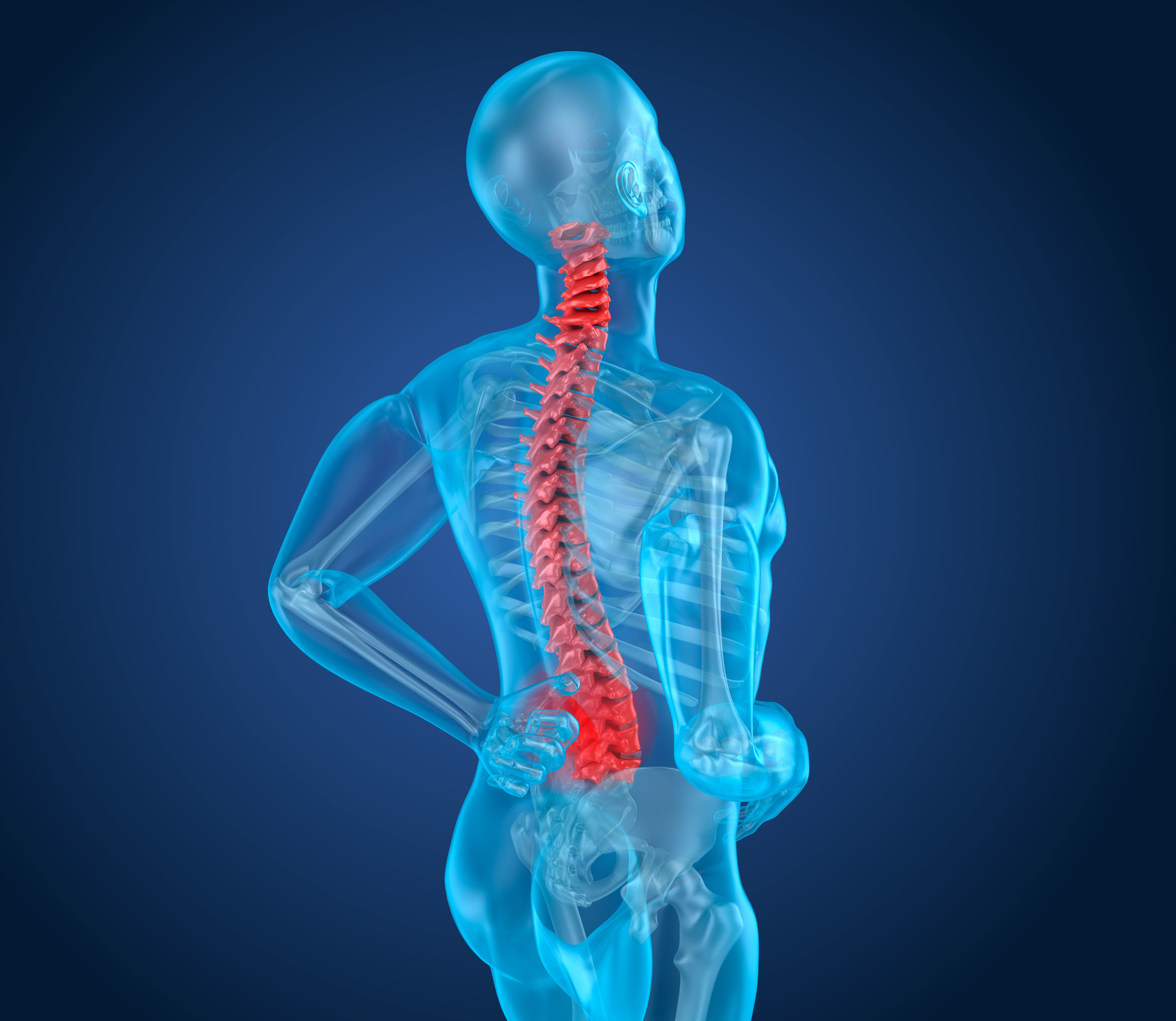
Could adjustments make my spine too loose?
One of the most common concerns people express when considering chiropractic care is the fear that spinal adjustments might make their spine feel “too loose” or unstable. This apprehension is completely understandable, as the spine is a vital structure, and it’s natural to question the safety and effectiveness of any treatment that involves manipulating such an essential part of your body. People want to be sure that they’re not putting themselves at risk when seeking relief from back pain or other musculoskeletal issues. However, it’s important to recognize that professional chiropractic adjustments are carefully designed with patient safety in mind. These adjustments aim to restore proper motion and alignment within the spine rather than create any sense of looseness or instability. Chiropractors are extensively trained to use precise techniques tailored to everyone’s needs. The goal is to correct restrictions in movement, often caused by muscle tension, poor posture, or injury—so that joints can function optimally again. Think of your spine as a finely tuned machine: over time, certain parts can become stiff or misaligned due to daily stresses. A chiropractor acts much like an expert mechanic who makes gentle corrections, ensuring everything moves smoothly without overcompensating or causing excess flexibility. When performed by a licensed professional, spinal adjustments help increase stability by allowing muscles and ligaments around the spine to work harmoniously together once more. In short, rather than making your spine “too loose,” chiropractic care supports its natural balance and structural integrity—promoting both safety and long-term well-being.
Chiropractors employ a highly precise and controlled application of force during adjustments, carefully targeting specific joints that are suspected to be restricted, misaligned, or not functioning optimally. This targeted approach is not random or forceful; rather, it is a deliberate technique designed to restore proper alignment and movement within the musculoskeletal system. The primary objective of these adjustments is to enhance joint mobility and alleviate discomfort or pain,never to overstretch, damage, or weaken the vital supporting structures of your spine. Contrary to some misconceptions, chiropractic care prioritizes safety and long-term wellness. In fact, numerous research studies have demonstrated that receiving regular chiropractic adjustments can contribute significantly to maintaining healthy joint function. These consistent treatments help support overall spinal stability by promoting optimal alignment and reducing wear-and-tear on joints over time. By addressing minor restrictions before they become more serious issues, chiropractic care fosters both immediate relief and ongoing prevention, allowing individuals to enjoy greater comfort and improved quality of life through natural means.
If you’re concerned about experiencing a sensation of being “loose” following a chiropractic adjustment, rest assured: when performed correctly by a trained professional, an adjustment will not result in excessive or unnatural movement within your spine. Rather than instability, what most people notice after an adjustment is an increase in flexibility and a noticeable reduction in muscle tension or discomfort. This improvement occurs because adjustments are designed to restore proper alignment and function to your joints, allowing your body to move more freely and comfortably. It’s important to remember that open communication with your chiropractor plays a crucial role in ensuring your experience is positive and tailored to your individual needs. Don’t hesitate to share any questions or apprehensions you may have—your chiropractor can then adapt their techniques or provide additional reassurance to prioritize both your comfort and safety throughout the process. By working together, you can achieve the therapeutic benefits of chiropractic care while feeling informed and confident every step of the way.
BY:
Uncategorized
COMMENTS: No Comments
 01 Dec 2025
How to Use Heat and Ice Effectively
When it comes to managing pain or recovering from injuries, understanding how to properly use heat and ice can truly make a world of difference in your healing journey. Both age-old remedies have stood the test of time, but they each play unique roles in treatment and should be applied thoughtfully to maximize their benefits. By learning when and how to alternate between heat therapy, which relaxes muscles, increases blood flow, and eases stiffness, and cold therapy, which reduces inflammation, numbs sharp pain, and minimizes swelling, you empower yourself with the tools needed for more effective recovery. Making informed choices about these methods doesn’t just bring temporary comfort; it can actively accelerate your body’s healing process and offer much-needed relief when you need it most. Using them correctly transforms passive waiting into proactive care, turning minor setbacks into opportunities for faster restoration of health and mobility.
Ice therapy stands out as the most effective treatment for acute injuries, such as sprains, strains, or any situation where swelling and inflammation are evident. When you apply an ice pack within the crucial first 24 to 48 hours after an injury occurs, it works by constricting blood vessels in the affected area. This process significantly reduces swelling and helps minimize internal bleeding into the tissues. Additionally, the cold temperature has a numbing effect on nerve endings, which leads to a noticeable decrease in pain and overall discomfort. To maximize both safety and effectiveness, it’s essential to wrap the ice pack in a thin towel before placing it on your skin—this simple precaution prevents frostbite or other skin damage that can result from direct contact with extreme cold. Each session should be limited to about 15-20 minutes; overexposure can hinder healing rather than help. By following these guidelines, you ensure that ice therapy delivers its full benefits—speeding up recovery while keeping you comfortable and protected from further harm.
Heat therapy is an exceptionally effective method for managing chronic muscle pain or persistent stiffness. When you apply a heating pad, warm towel, or even take a hot bath, the gentle warmth penetrates deep into your tissues, promoting increased blood circulation to the affected area. This improved blood flow helps deliver essential nutrients and oxygen that aid in healing and recovery. At the same time, heat works to relax tight or knotted muscles, easing tension that often contributes to discomfort. Aching joints also benefit from this soothing sensation, as heat can reduce joint stiffness and make movement easier. Using heat therapy before engaging in physical activity or performing stretching routines is particularly beneficial. The warmth prepares your muscles by loosening them up and making them more flexible, which can help prevent injury during exercise and enhance performance. However, it’s important to use caution: applying heat therapy directly to fresh injuries with active swelling can worsen inflammation and delay healing. In cases of new injuries where swelling is present, such as sprains or acute strains, cold therapy is a better choice initially until swelling subsides. By understanding when and how to use heat therapy effectively, you can safely maximize its benefits for long-term pain relief and muscle health.
To maximize the effectiveness of these therapies, it’s essential to apply them correctly. Use ice therapy immediately after sudden injuries, such as sprains or strains, and to reduce swelling or inflammation. The cold helps constrict blood vessels, numbing sharp pain and limiting tissue damage in the affected area. In contrast, opt for heat therapy when dealing with persistent discomfort or muscle tension, such as stiff joints or chronic aches—as warmth promotes blood flow, relaxes tight muscles, and eases soreness. Above all else, pay close attention to your body’s signals throughout the process. If you notice that either treatment increases your pain or causes unusual discomfort, stop using it right away and consider seeking professional advice. By following these simple guidelines and using heat and ice appropriately for your specific needs, you’ll not only accelerate recovery from injuries but also experience significant relief and improved comfort in your daily life.
BY:
Uncategorized
COMMENTS: No Comments