
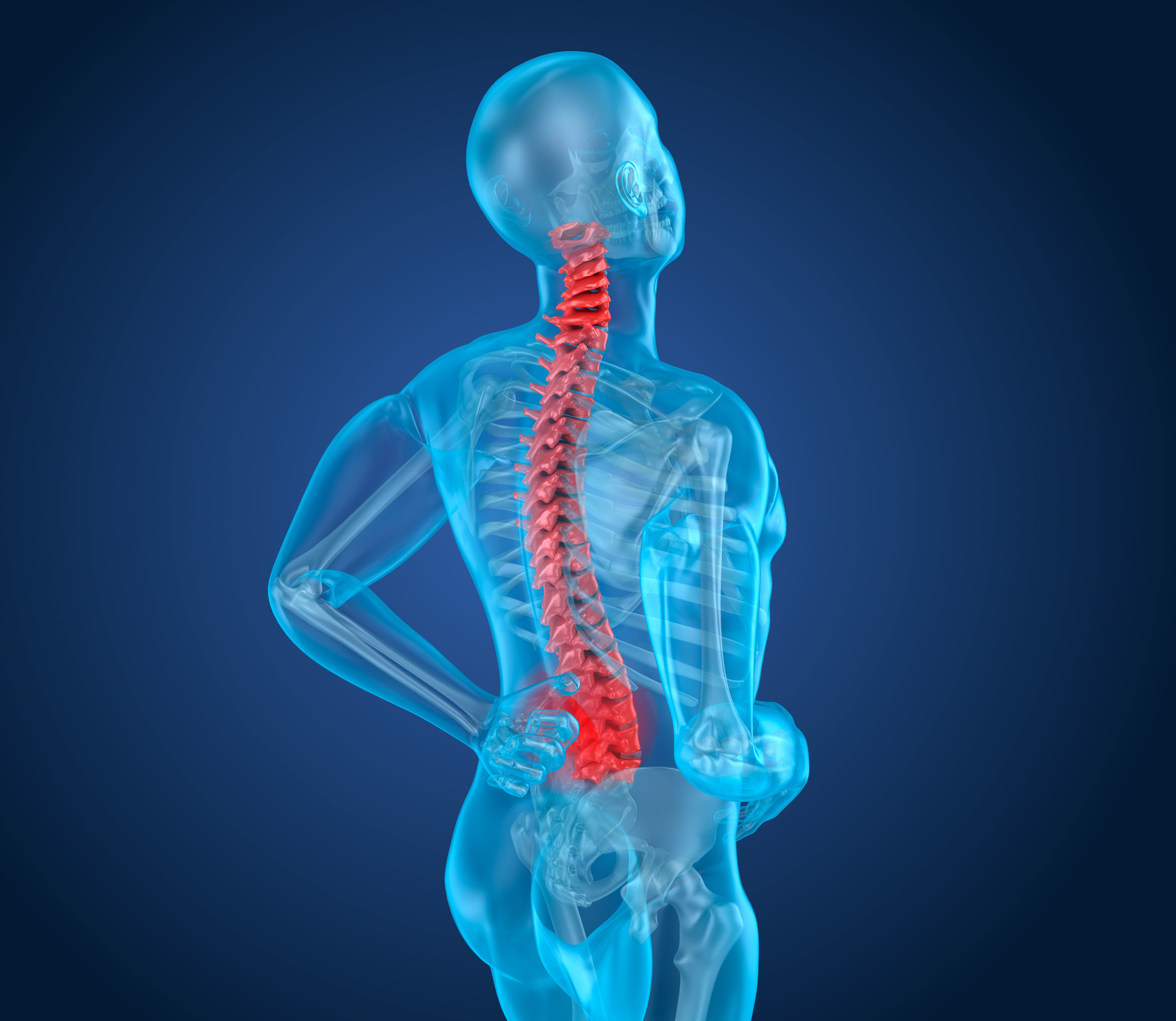
Could adjustments make my spine too loose?
One of the most common concerns people express when considering chiropractic care is the fear that spinal adjustments might make their spine feel “too loose” or unstable. This apprehension is completely understandable, as the spine is a vital structure, and it’s natural to question the safety and effectiveness of any treatment that involves manipulating such an essential part of your body. People want to be sure that they’re not putting themselves at risk when seeking relief from back pain or other musculoskeletal issues. However, it’s important to recognize that professional chiropractic adjustments are carefully designed with patient safety in mind. These adjustments aim to restore proper motion and alignment within the spine rather than create any sense of looseness or instability. Chiropractors are extensively trained to use precise techniques tailored to everyone’s needs. The goal is to correct restrictions in movement, often caused by muscle tension, poor posture, or injury—so that joints can function optimally again. Think of your spine as a finely tuned machine: over time, certain parts can become stiff or misaligned due to daily stresses. A chiropractor acts much like an expert mechanic who makes gentle corrections, ensuring everything moves smoothly without overcompensating or causing excess flexibility. When performed by a licensed professional, spinal adjustments help increase stability by allowing muscles and ligaments around the spine to work harmoniously together once more. In short, rather than making your spine “too loose,” chiropractic care supports its natural balance and structural integrity—promoting both safety and long-term well-being.
Chiropractors employ a highly precise and controlled application of force during adjustments, carefully targeting specific joints that are suspected to be restricted, misaligned, or not functioning optimally. This targeted approach is not random or forceful; rather, it is a deliberate technique designed to restore proper alignment and movement within the musculoskeletal system. The primary objective of these adjustments is to enhance joint mobility and alleviate discomfort or pain,never to overstretch, damage, or weaken the vital supporting structures of your spine. Contrary to some misconceptions, chiropractic care prioritizes safety and long-term wellness. In fact, numerous research studies have demonstrated that receiving regular chiropractic adjustments can contribute significantly to maintaining healthy joint function. These consistent treatments help support overall spinal stability by promoting optimal alignment and reducing wear-and-tear on joints over time. By addressing minor restrictions before they become more serious issues, chiropractic care fosters both immediate relief and ongoing prevention, allowing individuals to enjoy greater comfort and improved quality of life through natural means.
If you’re concerned about experiencing a sensation of being “loose” following a chiropractic adjustment, rest assured: when performed correctly by a trained professional, an adjustment will not result in excessive or unnatural movement within your spine. Rather than instability, what most people notice after an adjustment is an increase in flexibility and a noticeable reduction in muscle tension or discomfort. This improvement occurs because adjustments are designed to restore proper alignment and function to your joints, allowing your body to move more freely and comfortably. It’s important to remember that open communication with your chiropractor plays a crucial role in ensuring your experience is positive and tailored to your individual needs. Don’t hesitate to share any questions or apprehensions you may have—your chiropractor can then adapt their techniques or provide additional reassurance to prioritize both your comfort and safety throughout the process. By working together, you can achieve the therapeutic benefits of chiropractic care while feeling informed and confident every step of the way.
BY:
Uncategorized
COMMENTS: No Comments