
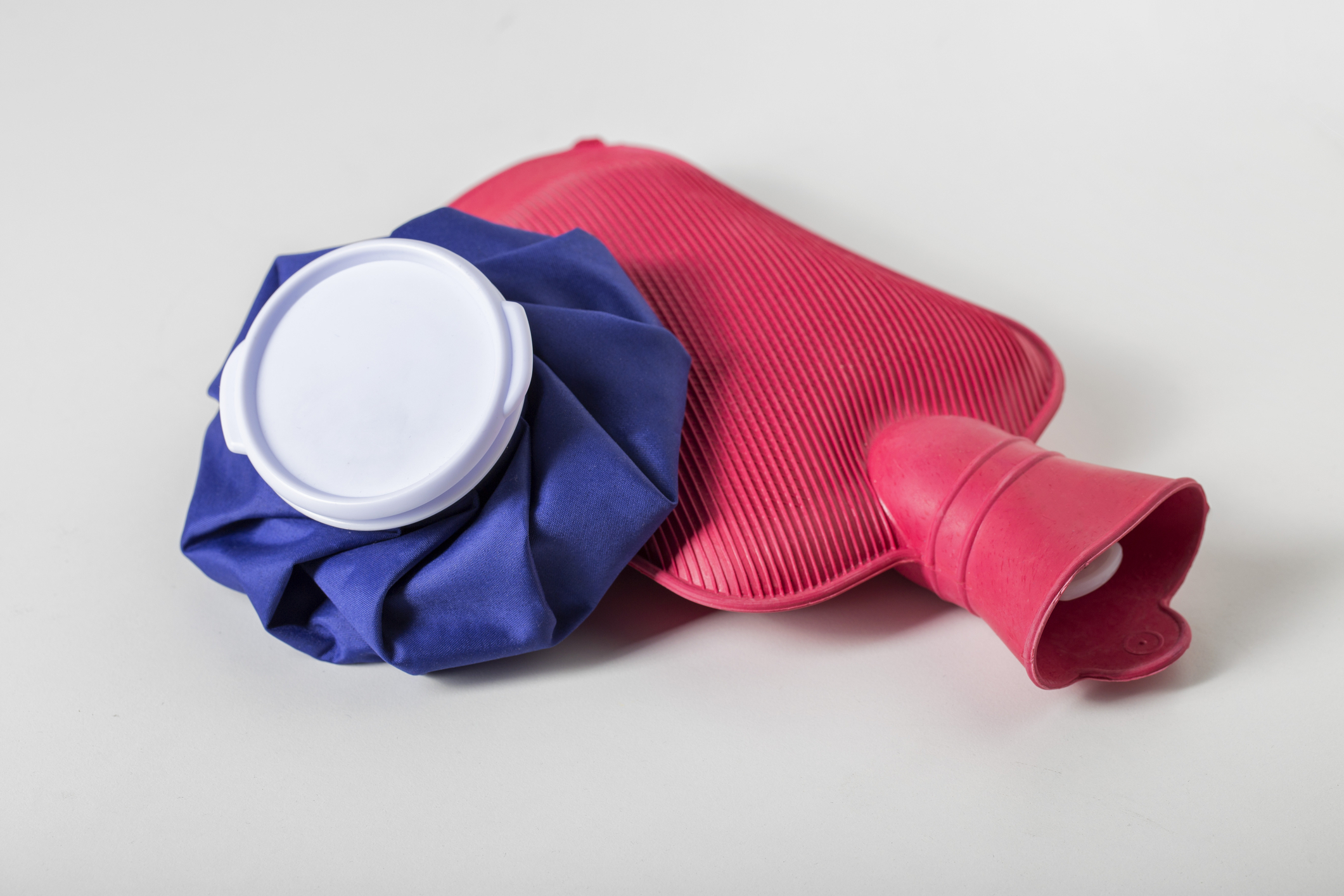
How to Use Heat and Ice Effectively
When it comes to managing pain or recovering from injuries, understanding how to properly use heat and ice can truly make a world of difference in your healing journey. Both age-old remedies have stood the test of time, but they each play unique roles in treatment and should be applied thoughtfully to maximize their benefits. By learning when and how to alternate between heat therapy, which relaxes muscles, increases blood flow, and eases stiffness, and cold therapy, which reduces inflammation, numbs sharp pain, and minimizes swelling, you empower yourself with the tools needed for more effective recovery. Making informed choices about these methods doesn’t just bring temporary comfort; it can actively accelerate your body’s healing process and offer much-needed relief when you need it most. Using them correctly transforms passive waiting into proactive care, turning minor setbacks into opportunities for faster restoration of health and mobility.
Ice therapy stands out as the most effective treatment for acute injuries, such as sprains, strains, or any situation where swelling and inflammation are evident. When you apply an ice pack within the crucial first 24 to 48 hours after an injury occurs, it works by constricting blood vessels in the affected area. This process significantly reduces swelling and helps minimize internal bleeding into the tissues. Additionally, the cold temperature has a numbing effect on nerve endings, which leads to a noticeable decrease in pain and overall discomfort. To maximize both safety and effectiveness, it’s essential to wrap the ice pack in a thin towel before placing it on your skin—this simple precaution prevents frostbite or other skin damage that can result from direct contact with extreme cold. Each session should be limited to about 15-20 minutes; overexposure can hinder healing rather than help. By following these guidelines, you ensure that ice therapy delivers its full benefits—speeding up recovery while keeping you comfortable and protected from further harm.
Heat therapy is an exceptionally effective method for managing chronic muscle pain or persistent stiffness. When you apply a heating pad, warm towel, or even take a hot bath, the gentle warmth penetrates deep into your tissues, promoting increased blood circulation to the affected area. This improved blood flow helps deliver essential nutrients and oxygen that aid in healing and recovery. At the same time, heat works to relax tight or knotted muscles, easing tension that often contributes to discomfort. Aching joints also benefit from this soothing sensation, as heat can reduce joint stiffness and make movement easier. Using heat therapy before engaging in physical activity or performing stretching routines is particularly beneficial. The warmth prepares your muscles by loosening them up and making them more flexible, which can help prevent injury during exercise and enhance performance. However, it’s important to use caution: applying heat therapy directly to fresh injuries with active swelling can worsen inflammation and delay healing. In cases of new injuries where swelling is present, such as sprains or acute strains, cold therapy is a better choice initially until swelling subsides. By understanding when and how to use heat therapy effectively, you can safely maximize its benefits for long-term pain relief and muscle health.
To maximize the effectiveness of these therapies, it’s essential to apply them correctly. Use ice therapy immediately after sudden injuries, such as sprains or strains, and to reduce swelling or inflammation. The cold helps constrict blood vessels, numbing sharp pain and limiting tissue damage in the affected area. In contrast, opt for heat therapy when dealing with persistent discomfort or muscle tension, such as stiff joints or chronic aches—as warmth promotes blood flow, relaxes tight muscles, and eases soreness. Above all else, pay close attention to your body’s signals throughout the process. If you notice that either treatment increases your pain or causes unusual discomfort, stop using it right away and consider seeking professional advice. By following these simple guidelines and using heat and ice appropriately for your specific needs, you’ll not only accelerate recovery from injuries but also experience significant relief and improved comfort in your daily life.
BY:
Uncategorized
COMMENTS: No Comments