
 02 Dec 2025
Could adjustments make my spine too loose?
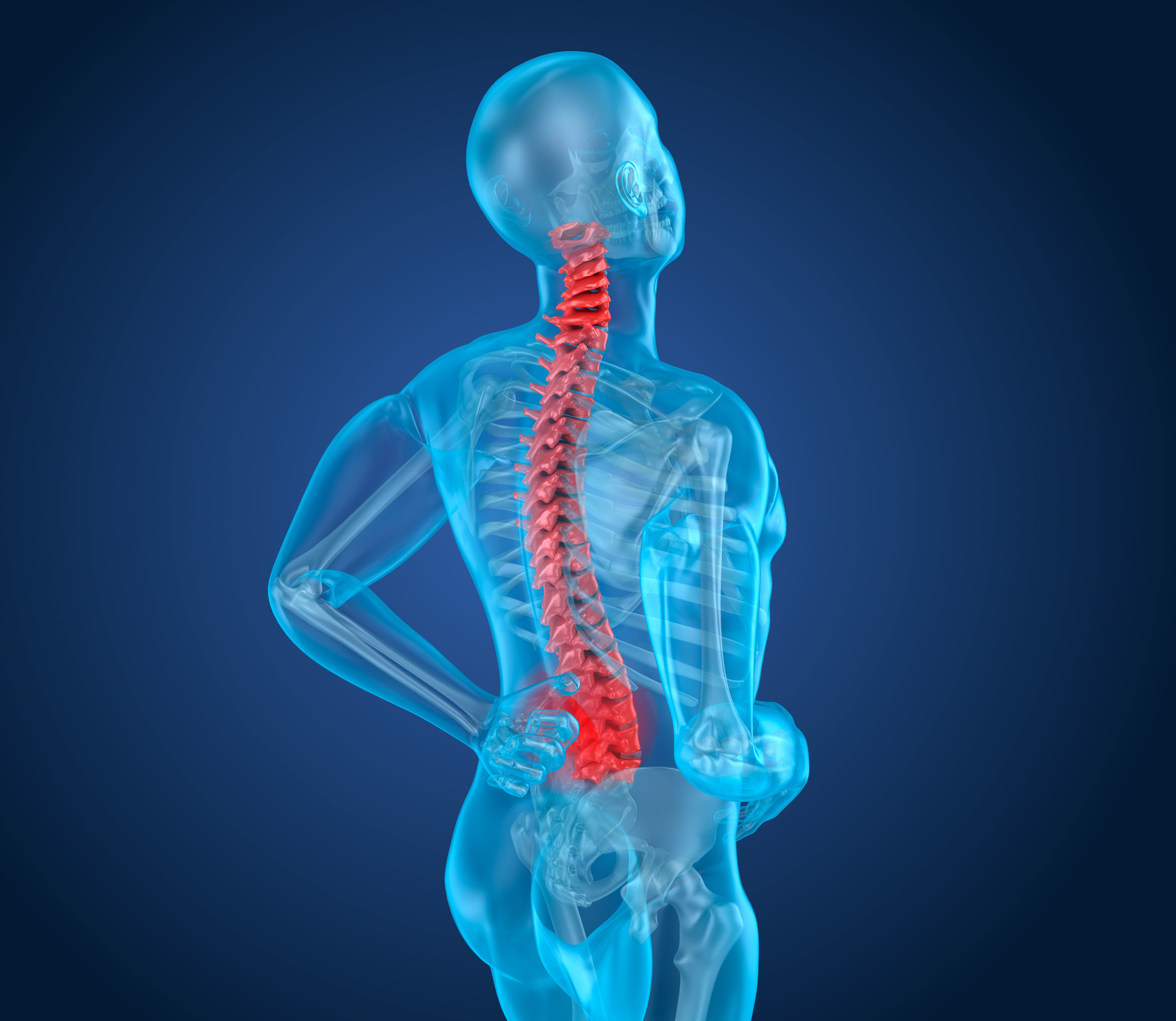
One of the most common concerns people express when considering chiropractic care is the fear that spinal adjustments might make their spine feel “too loose” or unstable. This apprehension is completely understandable, as the spine is a vital structure, and it’s natural to question the safety and effectiveness of any treatment that involves manipulating such an essential part of your body. People want to be sure that they’re not putting themselves at risk when seeking relief from back pain or other musculoskeletal issues. However, it’s important to recognize that professional chiropractic adjustments are carefully designed with patient safety in mind. These adjustments aim to restore proper motion and alignment within the spine rather than create any sense of looseness or instability. Chiropractors are extensively trained to use precise techniques tailored to everyone’s needs. The goal is to correct restrictions in movement, often caused by muscle tension, poor posture, or injury—so that joints can function optimally again. Think of your spine as a finely tuned machine: over time, certain parts can become stiff or misaligned due to daily stresses. A chiropractor acts much like an expert mechanic who makes gentle corrections, ensuring everything moves smoothly without overcompensating or causing excess flexibility. When performed by a licensed professional, spinal adjustments help increase stability by allowing muscles and ligaments around the spine to work harmoniously together once more. In short, rather than making your spine “too loose,” chiropractic care supports its natural balance and structural integrity—promoting both safety and long-term well-being.
Chiropractors employ a highly precise and controlled application of force during adjustments, carefully targeting specific joints that are suspected to be restricted, misaligned, or not functioning optimally. This targeted approach is not random or forceful; rather, it is a deliberate technique designed to restore proper alignment and movement within the musculoskeletal system. The primary objective of these adjustments is to enhance joint mobility and alleviate discomfort or pain,never to overstretch, damage, or weaken the vital supporting structures of your spine. Contrary to some misconceptions, chiropractic care prioritizes safety and long-term wellness. In fact, numerous research studies have demonstrated that receiving regular chiropractic adjustments can contribute significantly to maintaining healthy joint function. These consistent treatments help support overall spinal stability by promoting optimal alignment and reducing wear-and-tear on joints over time. By addressing minor restrictions before they become more serious issues, chiropractic care fosters both immediate relief and ongoing prevention, allowing individuals to enjoy greater comfort and improved quality of life through natural means.
If you’re concerned about experiencing a sensation of being “loose” following a chiropractic adjustment, rest assured: when performed correctly by a trained professional, an adjustment will not result in excessive or unnatural movement within your spine. Rather than instability, what most people notice after an adjustment is an increase in flexibility and a noticeable reduction in muscle tension or discomfort. This improvement occurs because adjustments are designed to restore proper alignment and function to your joints, allowing your body to move more freely and comfortably. It’s important to remember that open communication with your chiropractor plays a crucial role in ensuring your experience is positive and tailored to your individual needs. Don’t hesitate to share any questions or apprehensions you may have—your chiropractor can then adapt their techniques or provide additional reassurance to prioritize both your comfort and safety throughout the process. By working together, you can achieve the therapeutic benefits of chiropractic care while feeling informed and confident every step of the way.
BY:
Uncategorized
COMMENTS: No Comments
 01 Dec 2025
How to Use Heat and Ice Effectively
When it comes to managing pain or recovering from injuries, understanding how to properly use heat and ice can truly make a world of difference in your healing journey. Both age-old remedies have stood the test of time, but they each play unique roles in treatment and should be applied thoughtfully to maximize their benefits. By learning when and how to alternate between heat therapy, which relaxes muscles, increases blood flow, and eases stiffness, and cold therapy, which reduces inflammation, numbs sharp pain, and minimizes swelling, you empower yourself with the tools needed for more effective recovery. Making informed choices about these methods doesn’t just bring temporary comfort; it can actively accelerate your body’s healing process and offer much-needed relief when you need it most. Using them correctly transforms passive waiting into proactive care, turning minor setbacks into opportunities for faster restoration of health and mobility.
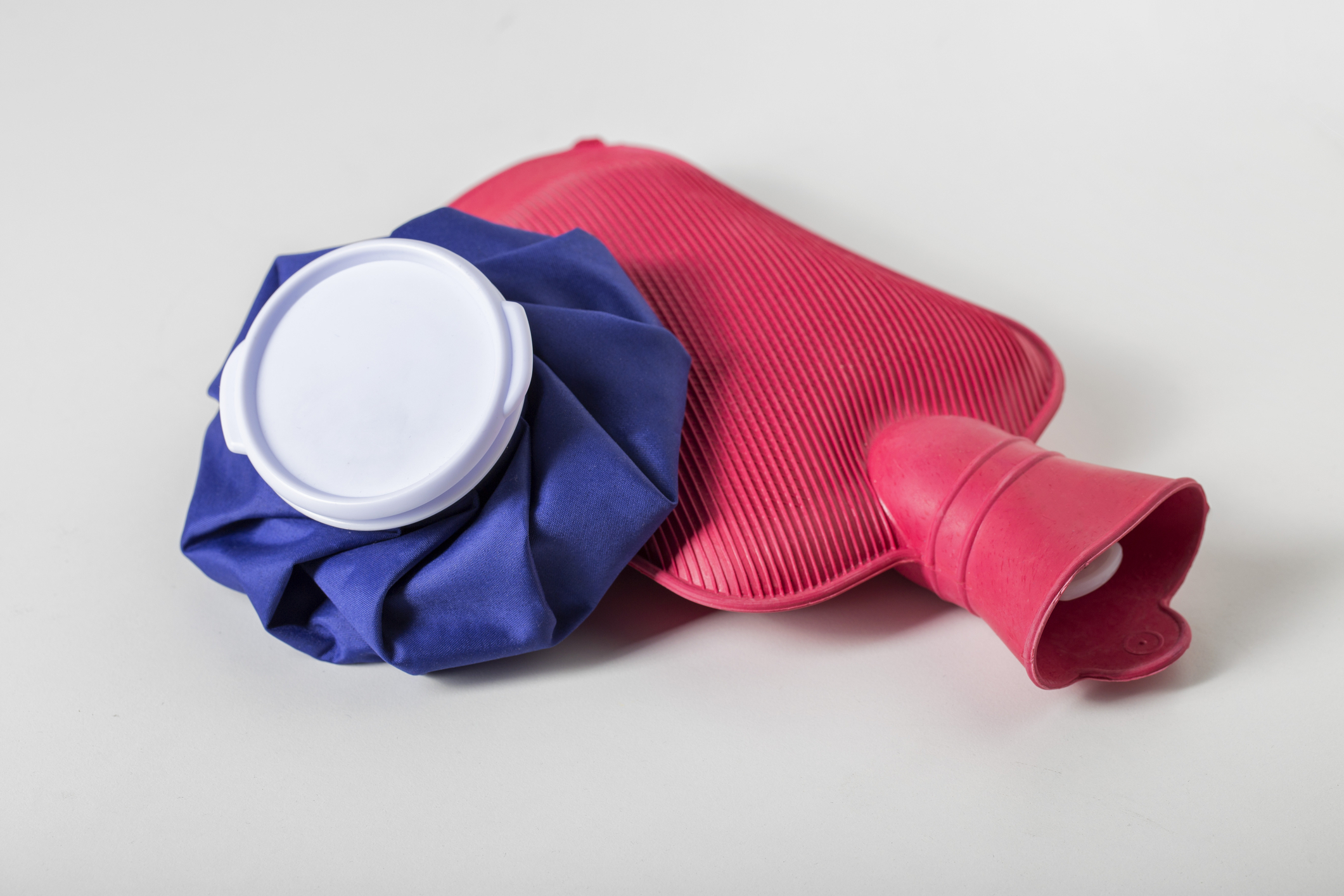
Ice therapy stands out as the most effective treatment for acute injuries, such as sprains, strains, or any situation where swelling and inflammation are evident. When you apply an ice pack within the crucial first 24 to 48 hours after an injury occurs, it works by constricting blood vessels in the affected area. This process significantly reduces swelling and helps minimize internal bleeding into the tissues. Additionally, the cold temperature has a numbing effect on nerve endings, which leads to a noticeable decrease in pain and overall discomfort. To maximize both safety and effectiveness, it’s essential to wrap the ice pack in a thin towel before placing it on your skin—this simple precaution prevents frostbite or other skin damage that can result from direct contact with extreme cold. Each session should be limited to about 15-20 minutes; overexposure can hinder healing rather than help. By following these guidelines, you ensure that ice therapy delivers its full benefits—speeding up recovery while keeping you comfortable and protected from further harm.
Heat therapy is an exceptionally effective method for managing chronic muscle pain or persistent stiffness. When you apply a heating pad, warm towel, or even take a hot bath, the gentle warmth penetrates deep into your tissues, promoting increased blood circulation to the affected area. This improved blood flow helps deliver essential nutrients and oxygen that aid in healing and recovery. At the same time, heat works to relax tight or knotted muscles, easing tension that often contributes to discomfort. Aching joints also benefit from this soothing sensation, as heat can reduce joint stiffness and make movement easier. Using heat therapy before engaging in physical activity or performing stretching routines is particularly beneficial. The warmth prepares your muscles by loosening them up and making them more flexible, which can help prevent injury during exercise and enhance performance. However, it’s important to use caution: applying heat therapy directly to fresh injuries with active swelling can worsen inflammation and delay healing. In cases of new injuries where swelling is present, such as sprains or acute strains, cold therapy is a better choice initially until swelling subsides. By understanding when and how to use heat therapy effectively, you can safely maximize its benefits for long-term pain relief and muscle health.
To maximize the effectiveness of these therapies, it’s essential to apply them correctly. Use ice therapy immediately after sudden injuries, such as sprains or strains, and to reduce swelling or inflammation. The cold helps constrict blood vessels, numbing sharp pain and limiting tissue damage in the affected area. In contrast, opt for heat therapy when dealing with persistent discomfort or muscle tension, such as stiff joints or chronic aches—as warmth promotes blood flow, relaxes tight muscles, and eases soreness. Above all else, pay close attention to your body’s signals throughout the process. If you notice that either treatment increases your pain or causes unusual discomfort, stop using it right away and consider seeking professional advice. By following these simple guidelines and using heat and ice appropriately for your specific needs, you’ll not only accelerate recovery from injuries but also experience significant relief and improved comfort in your daily life.
BY:
Uncategorized
COMMENTS: No Comments